How to Repair Damaged Hair
Content editor
Em Newton
How to stop hair breakage
From bleaching to over-brushing and from salt water to heat styling, much of what we expose our hair to is damaging. Signs of damage include hair that looks or feels frizzy, brittle or dry, or regularly feels tangled.
The good news is, the right haircare can restore the appearance of your locks. Plus, there are many small changes you can make to prevent future damage and achieve hair that looks just like what you see in the shampoo adverts.
If you're on a mission to learn how to stop hair breakage and discover how to repair damaged hair, read on.
How to get rid of split ends
Split ends happen when the tips of your hair become weak and dehydrated and eventually fracture. Once your strands start to split, they can’t be fused back together. The only way to totally get rid of split ends, is to trim them off. However, using the right haircare products can temporarily smooth and significantly improve their appearance.
While it’s not possible to reverse split ends, leave-in conditioners or smoothing hair treatments help seal the strands and reduce frizz – although only for a few washes.
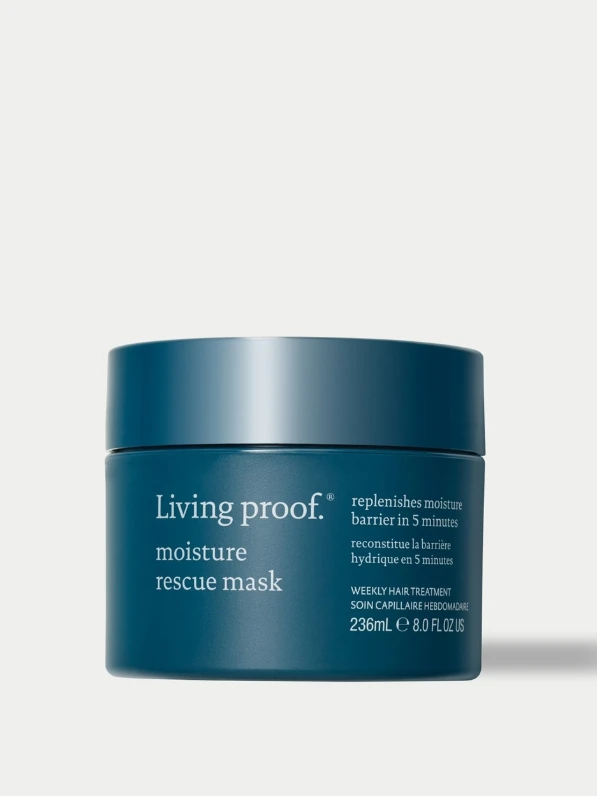
To future proof against split ends, apply a deep-conditioning hair mask at least once a week try Color Wow's Money Masque: you can’t argue with the hundreds of five-star reviews.
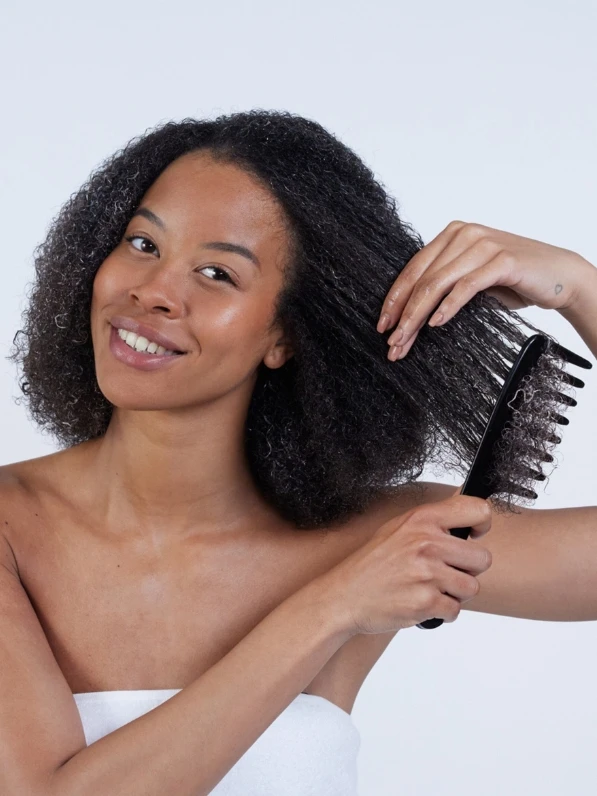
To avoid breakage, it’s a good idea to brush out tangles with a wide-tooth comb while your conditioner is still in your hair. After washing, gently squeeze excess moisture from your hair using a microfibre towel.
How to repair bleach and heat damaged hair
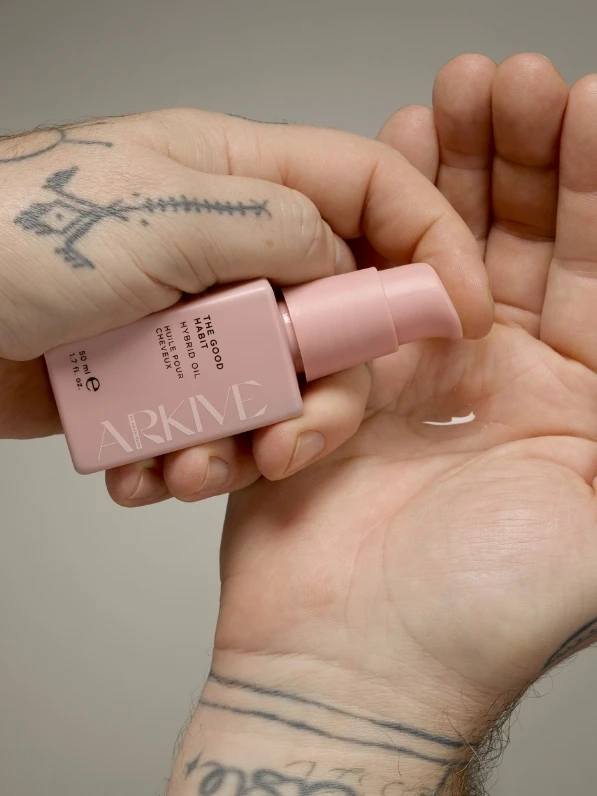
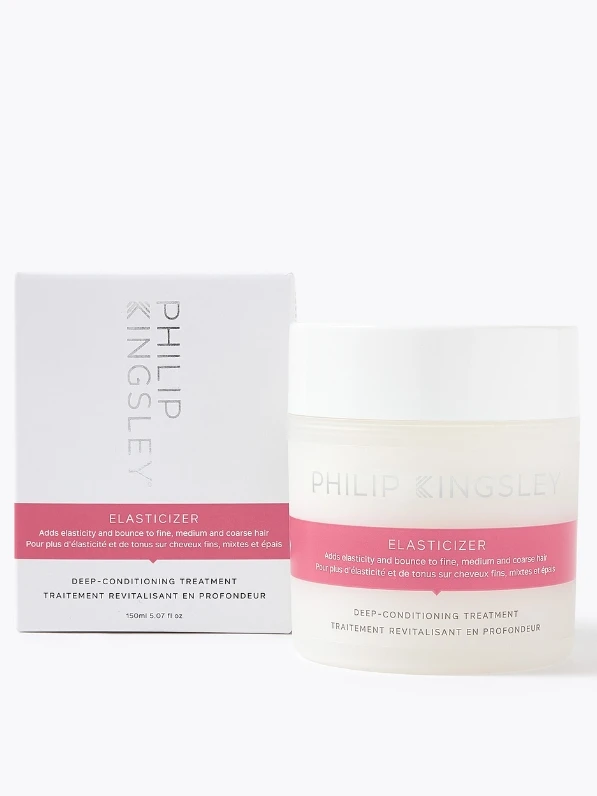
Bleaching can weaken the hair’s inner structure and leave strands dry, broken and dull. To repair bleach-damaged hair, commit to a consistent routine of gentle cleansing, hydrating conditioning and bond repair treatments (like this oil from Philip Kingsley). Avoiding or limiting heat styling will also help with restoration.
Although deep conditioning can greatly improve its appearance, heat damage cannot truly be reversed so prevention is key.
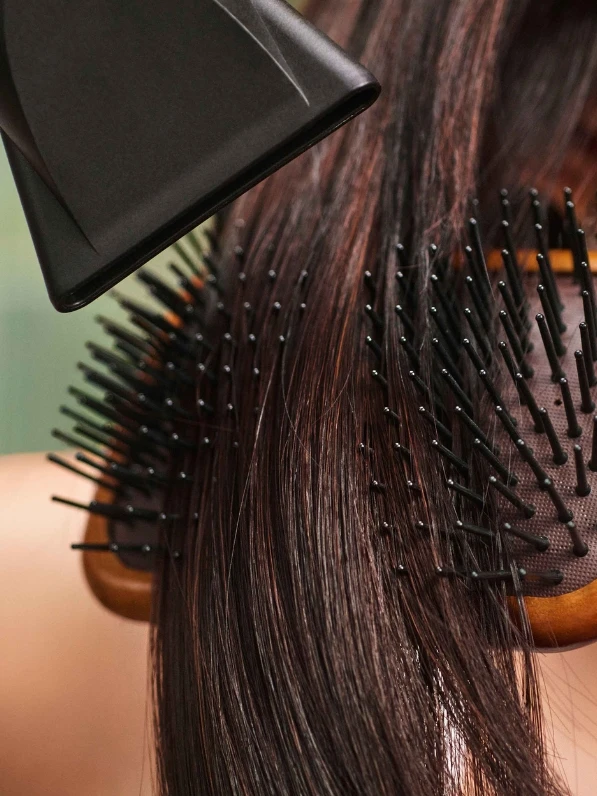
When styling your hair with heat, always use a heat protector (try Living Proof's styling spray) and choose the lowest temperature setting. If you’re spending a long time in the sun, use a leave-in UV protector – Aveda's protective mist comes highly-recommended.
Fine hair is most susceptible to heat damage so alternatives to heat styling are best to use, such as heatless curlers and Velcro rollers.
How to fix damaged curly hair
Curly hair is naturally drier which can make it prone to damage. As well as the usual signs such as tangles, dryness and split ends, if your hair is curly, damage may show as an uneven curl pattern.
Heat styling and chemical and colour treatments are the main culprits when it comes to damaged curly hair. The third culprit, mechanical stress, includes everything from vigorous brushing to overly tight hairstyles. Because curly hair is so delicate, even cotton pillowcases can cause abrasion and breakage. A silk pillowcase or silk hair turban can make all the difference.
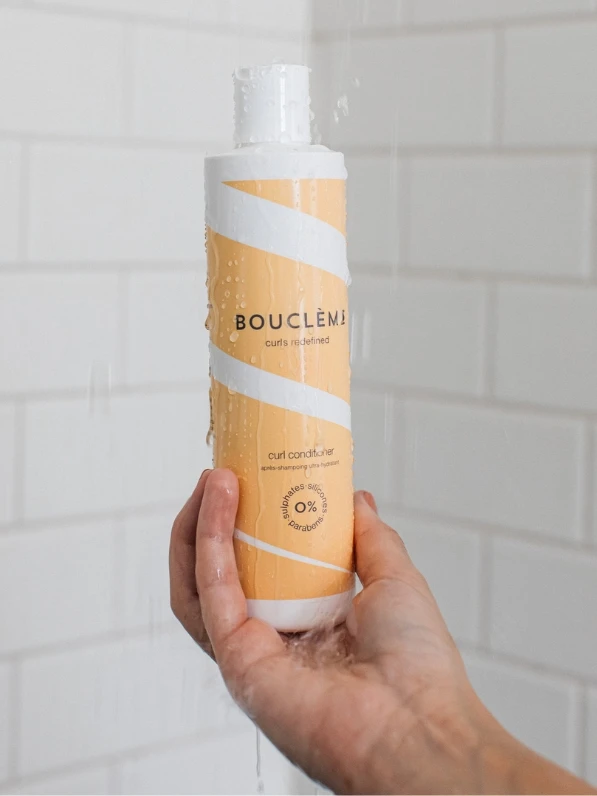
Regularly deep conditioning with a product formulated for curly hair is one of the best ways to fix damaged curly hair. Bouclème is a brand specifically designed for curly and wavy hair.
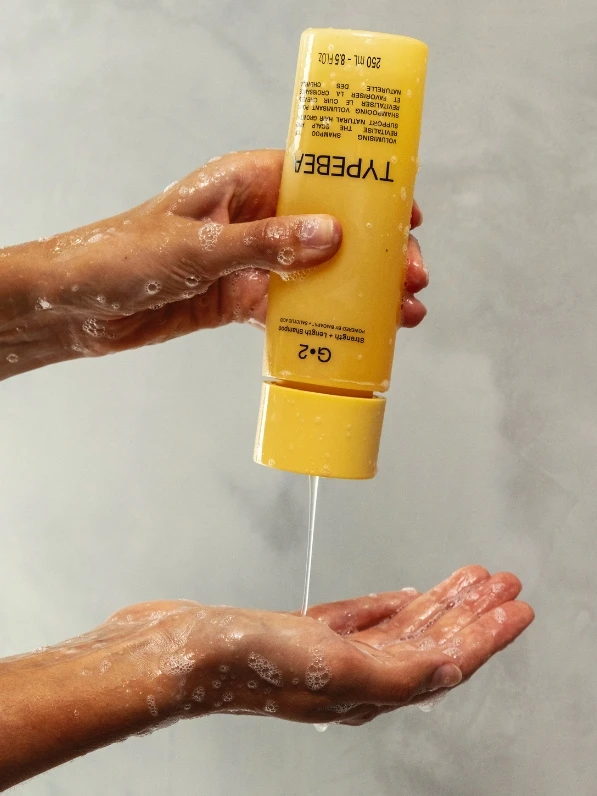
Common habits that can damage your hair
Do hair extensions damage your hair?
Hair extensions do not inherently damage hair but may cause damage if installed incorrectly, left in too long or not properly maintained.
Do perms damage your hair?
While modern methods are gentler, the strong chemicals used during a perm can result in dryness, frizz and breakage.
Does blow drying damage your hair?
If done correctly, blow drying is not inherently damaging. Allow your hair to air dry around 70%, use a heat protectant, lower the heat and hold the dryer at least 15cm away to avoid damage.
Does chlorine damage your hair?
Chlorine can strip away natural oils, resulting in dry, brittle and broken strands. Avoid damage by wearing a swim cap and washing immediately after swimming.
Does toner damage your hair?
If applied correctly, toner should not cause damage but leaving it on too long can lead to breakage, dryness and brittleness.
Does hairspray damage your hair?
Some hairsprays have a high alcohol content which can damage hair if used excessively.
Does straightening damage your hair?
Straightening can cause heat damaged hair. Using heat protectant, selecting a lower temperature and avoiding daily styling can minimise damage.
Published 20/04/2026