How to Make Your Flowers Last Longer
Content editor
Else Hutt
How to make flowers last longer in a vase
Trim the stems: always trim the stems when arranging cut flowers in a vase to encourage them to absorb water. Aim for a 45-degree angle: this will allow for a larger surface area, meaning increased hydration. This also prevents stems from sitting flat on the bottom of the vase, which can limit water absorption.
Feed your flowers: most bouquets come with a little sachet of flower food. Don’t forget to use this – it will help your blooms thrive for as long as possible.
If your flowers don't come with plant food attached, add two tablespoons of lemon juice and a small amount of sugar to the water every couple of days to help nourish them.
Refresh the water every one to two days: change the water frequently – every couple of days is sufficient. Not refreshing the water regularly can lead to bacteria building up in the vase causing flowers to wilt at a faster rate. Avoid using cold tap water during winter which can shock the stems and lead to wilting. Instead, fill your vase with lukewarm water to help the flowers absorb water and open up their petals.
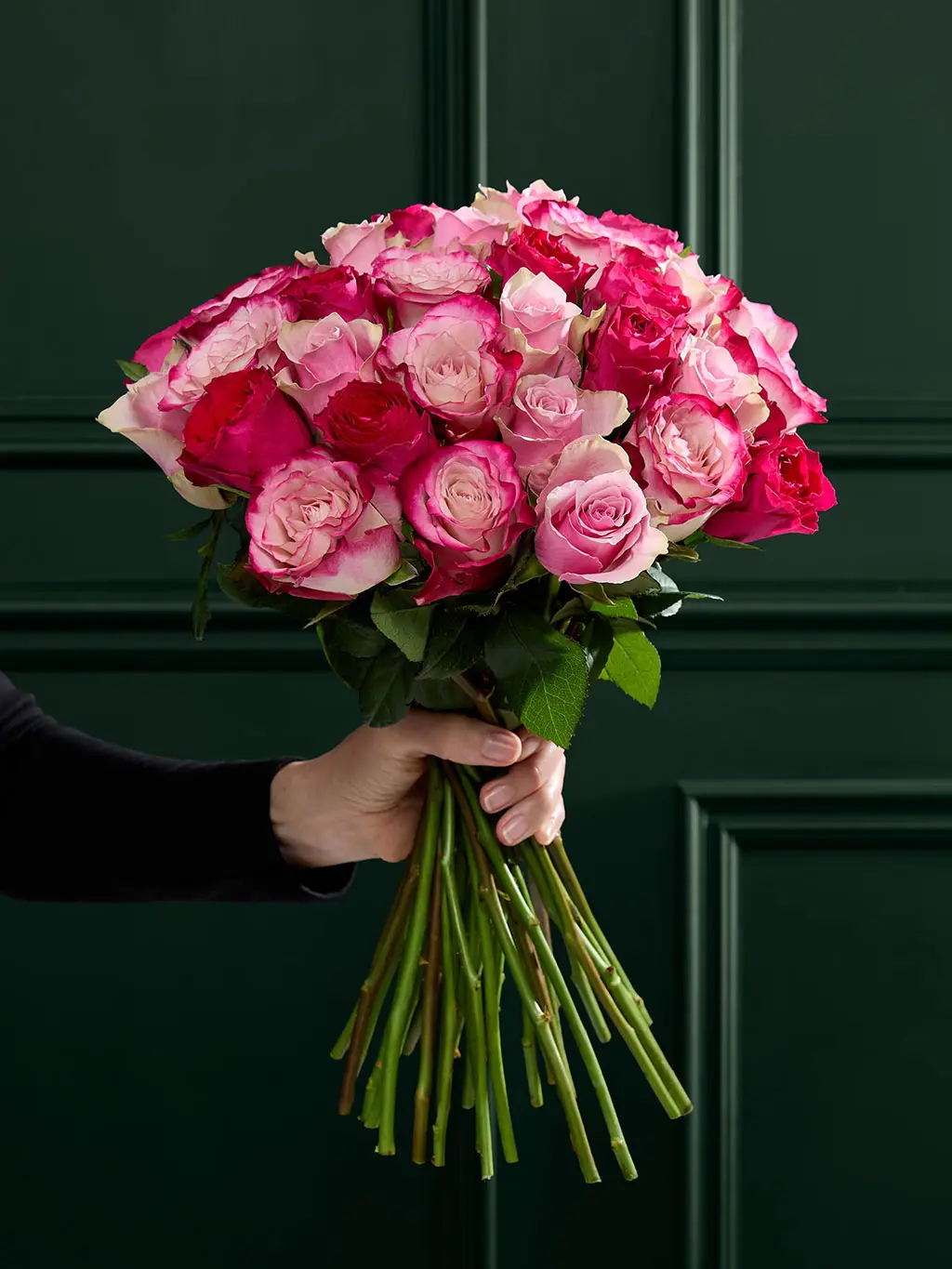
How to care for a bouquet of roses
To begin, some flowers and foliage commonly found in bouquets, such as roses, laurel, eucalyptus and pussy willow, have woody stems. The tougher composition requires additional preparation. When trimming woody stems, create an additional vertical cut of around 5cm through the base to encourage water uptake.
Next, remember to remove any flowers and leaves that have wilted and fallen into the vase to prevent bacteria build-up. Not only will this keep your bouquet looking as attractive as possible, but also prevent the remaining flowers from dying prematurely, too.
Always keep them away from direct sunlight, avoiding placing them on a window sill. Even in winter, intense sunshine from south-facing windows can be too strong for cut flowers. Consider how temperatures fluctuate in different rooms in your home. Kitchens heat up during cooking, accelerating the rate at which flowers mature, whereas a cool hallway or lounge can help preserve the bloom's freshness.
Our top tip: keep your bouquets away from fruit bowls. Bananas, apples and pears release ethylene gas which stimulates maturation. In other words, this gas can cause flowers and plants to mature and die at a faster rate.
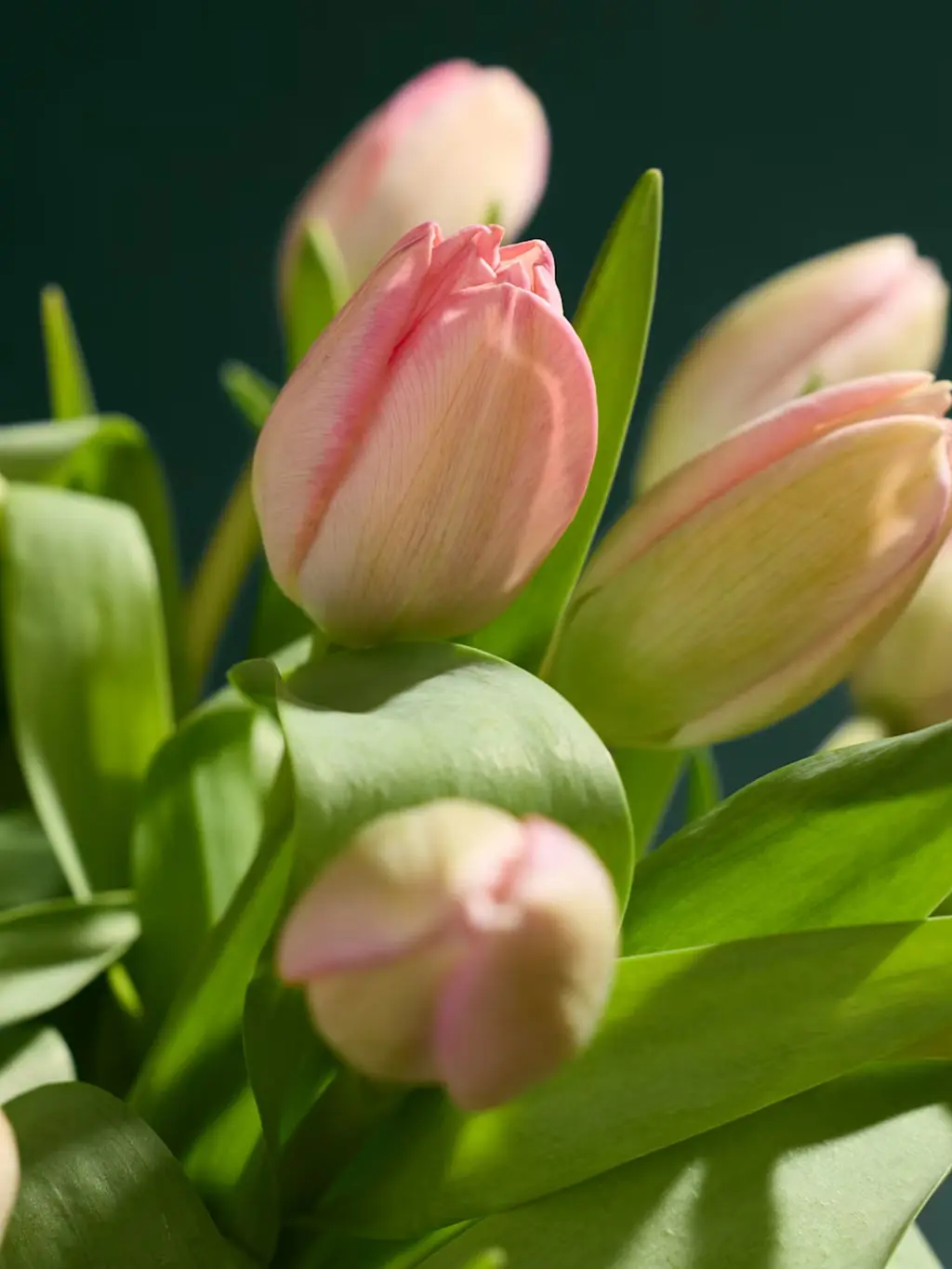
How to care for tulips and keep them fresh
Tulips are renowned for their ability to continue to grow after you've cut them. So, they require slightly different care than most other flowers. We recommend cutting them slightly shorter than you usually would, to allow for growth and to prevent them getting too tall and dropping. Follow our guidelines above for cutting at an angle.
They're also notoriously thirsty flowers, so it's important to change the water frequently to keep them hydrated and nourished (do this every 2-3 days). Because they can wilt easily, avoid warmth by using cold water – some experts even suggest adding ice cubes to your vase. Trim the stems when you change the water to keep them feeling fresh.
Our expert tip? Don't mix tulips with daffodils. Daffodils release a sap that's toxic to tulips, causing them to rapidly wilt.
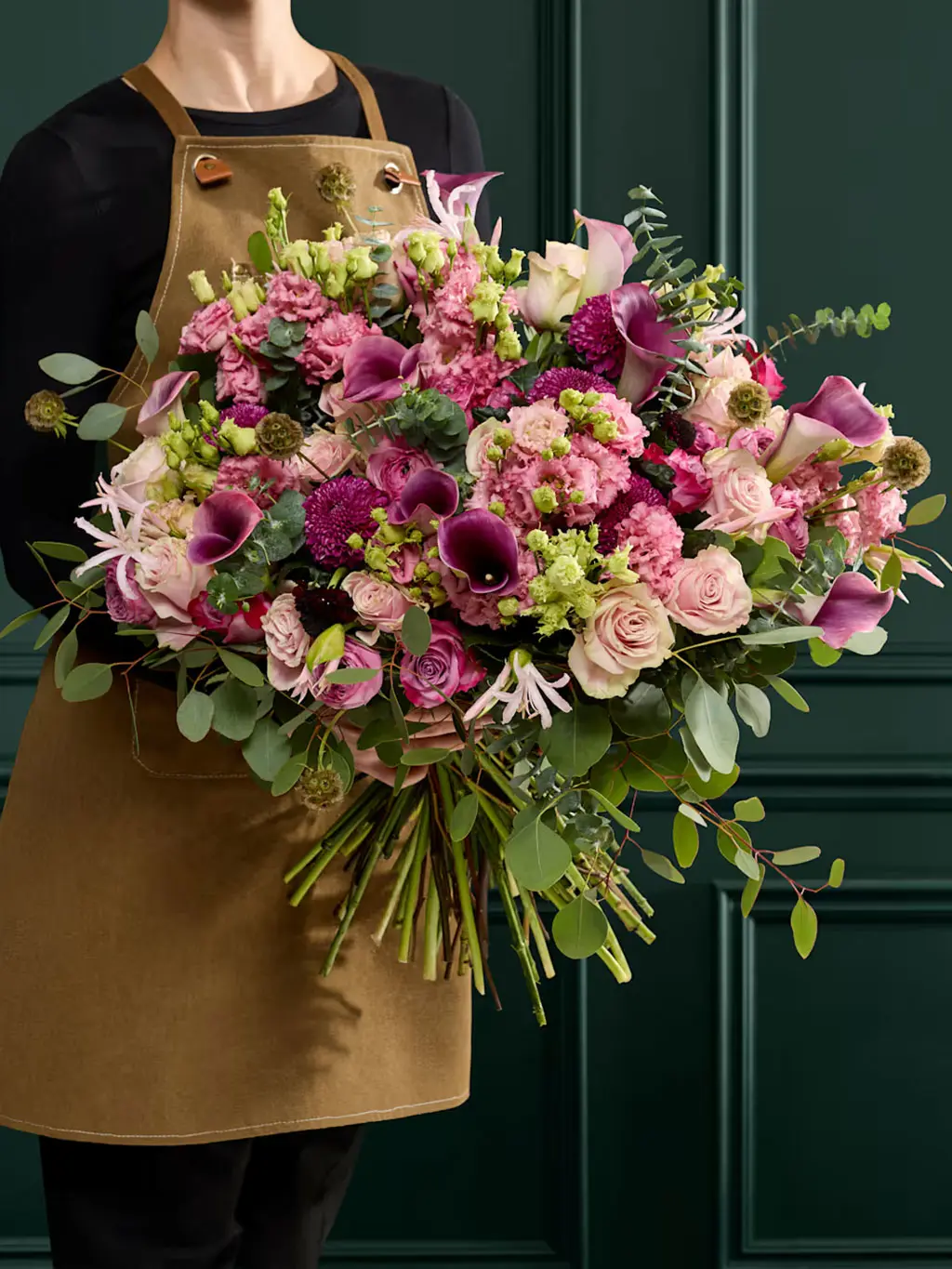
How to revive droopy roses and tulips
To revive drooping roses and tulips, remove them from the vase and recut the stems at the usual 45-degree angle.
For roses, place the stems in hot water with a drop of bleach for 10 seconds (make sure it’s not boiling so that it doesn’t scold them). Then immediately plunge them into deep, cold water. Lay them flat in a sink or bowl that’s filled with cold water and let them soak for 30 to 60 minutes.
Because tulips are a lot more likely to bend or drop, we recommend wrapping them in newspaper (or other paper-based material) and standing them in a vase of water for a few hours. Many gardeners also suggest placing a clean copper penny into the vase to act as a mild fungicide and anti-bacterial agent which helps keep them looking crisp.
Another trick often used on tulips is pricking a tiny hole in the stem around an inch directly below the flower head – this releases trapped air and encourages water flow.
Published 16/06/2026
Related Stories
16/06/2026
How to press flowers
Save beautiful bouquets for years to come and learn how to dry and press flowers without them turning brown. Showcase your exquisite blooms with our easy, step-by-step guide
Read More
16/06/2026
Flowers for any occasion
Looking for the best flowers for sympathy, birthdays or anniversaries? Our guide helps you choose the perfect bouquet for each moment
Read More
09/06/2026
Best plants for every room
From humid bathrooms to dimly lit corners, we've rounded up the best houseplants for every space in your home
Read More
09/06/2026
How to look after orchids
Explore our top tips on how to care for orchids. From the best time for watering, to how to repot and get yours to bloom again, we cover it all
Read More