How to Look After Orchids
Content editor
Else Hutt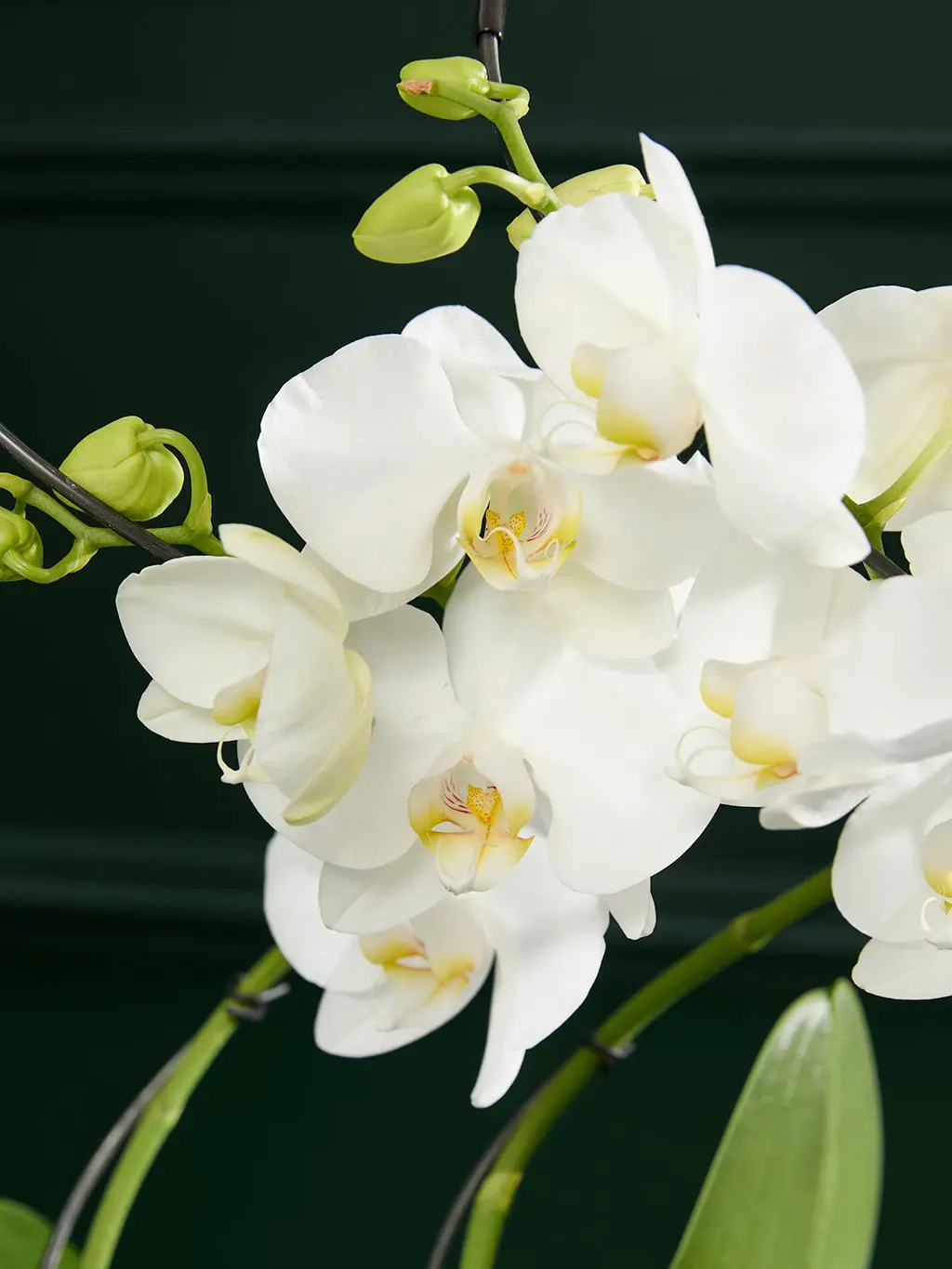
How much water and light do orchids need?
The best placement for an orchid is in a warm room with bright, indirect sunlight, so an east or west-facing window is perfect. This is important because direct sun can actually scorch or sunburn the leaves. When it comes to watering your orchid, make sure to use the soak-and-drain method to avoid it sitting in any water and getting root rot. We recommend watering it once a week, after checking how hydrated it is at the root, so you can avoid over-watering it.
Top tip: silver-grey roots indicate that the orchid is dry and in need of water, whilst plump, green roots means that it's fully hydrated and you should wait.
How to make orchids bloom and how to prune them
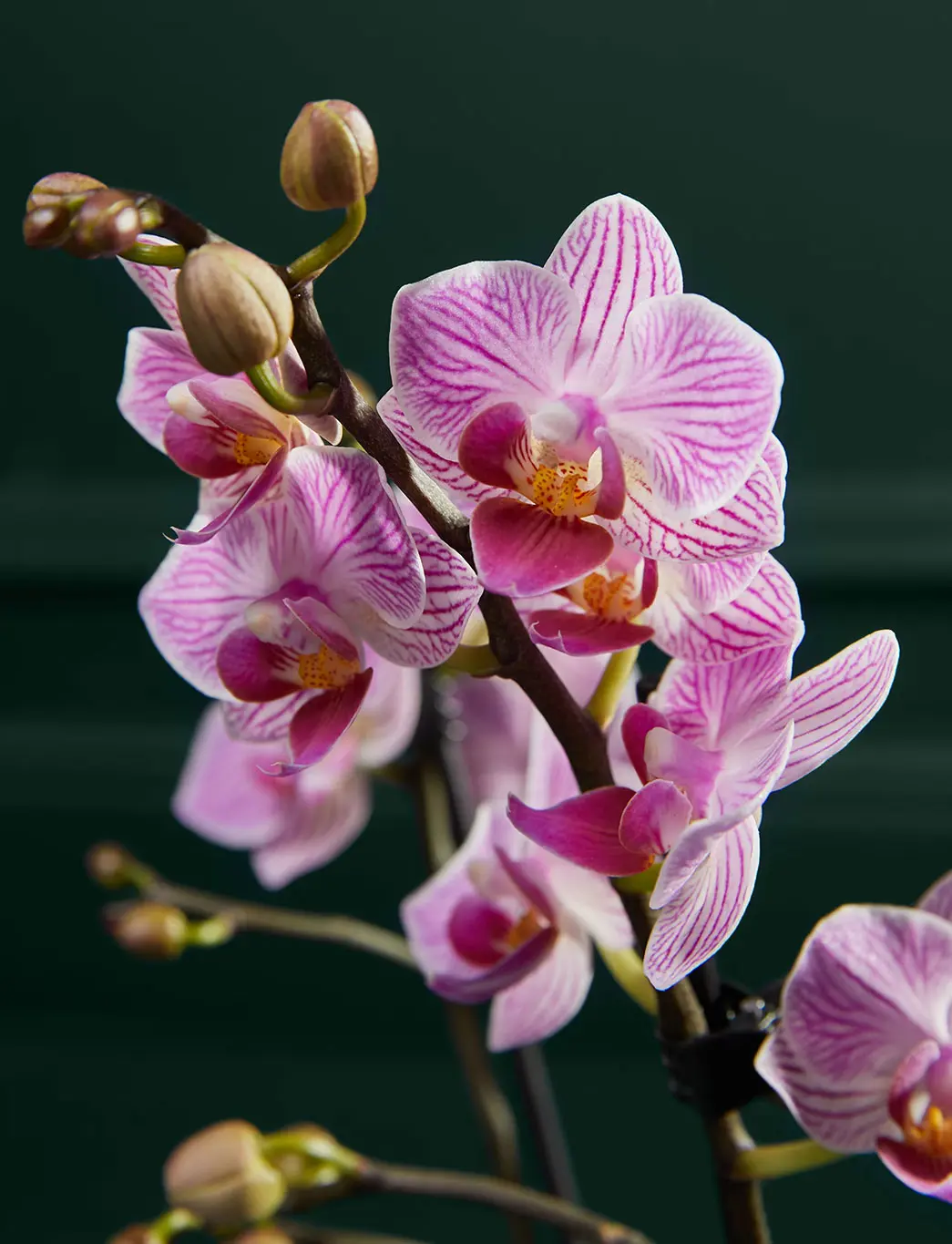
It's important to know how to prune orchids in order to keep them looking fresh. For best results, prune them regularly to get rid of any dead stems. Look for brown and yellow stems, then cut them off as close to the bottom as possible.
If you have healthy stems but would like a second flush of flowers, we recommend locating the lowest flower scar on the stem, then making a small cut about one-to-two centimeters above it to encourage the plant to branch out and create more flowers. A more drastic alternative is to cut the whole stem off at the base. Although this is a more time-consuming method, it will allow the plant time to recharge and result in a longer, more fruitful result.
Our expert tip: make sure that the shears you're using are sterilised with rubbing alcohol or a flame. This will avoid any bacteria spreading.
How to repot and revive orchids
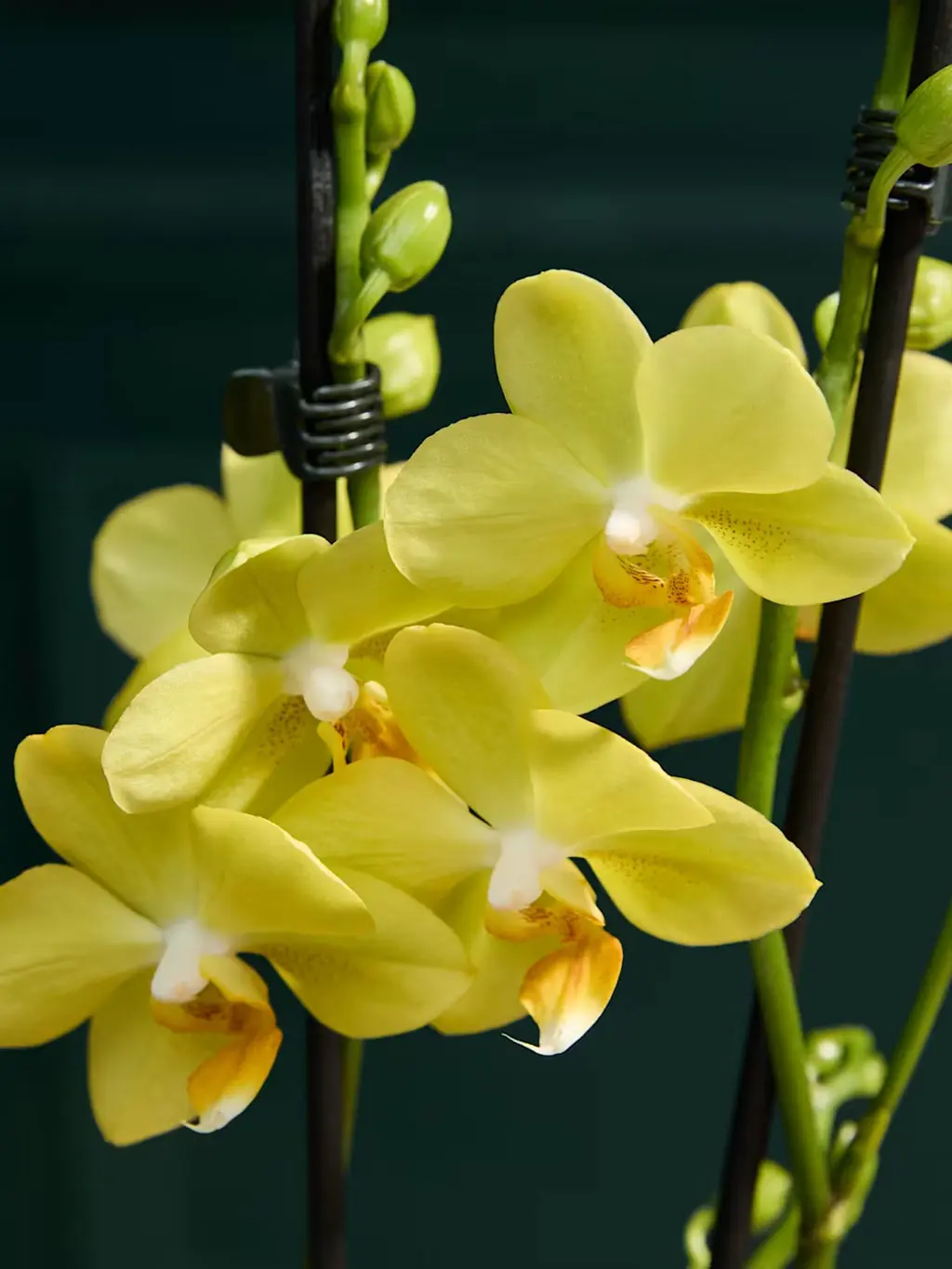
If you're unsure how to repot an orchid, we suggest gently taking it out of its pot and trimming away any dead roots (look for any that are brown or mushy-looking). To revive an orchid, make sure to cut away any dead or wilted flowers to ensure that the plant isn't wasting its energy sustaining them. Next, soak the roots in room-temperature water for 15-20 minutes, then place in fresh material such as pine bark or sterilised sphagnum moss.
Our advice? Make sure to choose something that drains well – both when it comes to picking the soil you add and the plant pot you choose. Finally, remember to follow our advice above to keep your orchid healthy and happy going forward.
How to keep orchids alive and solve common problems
Root rot: this is caused by overwatering or lack of drainage. Make sure to unpot your plant, cut off any black or mushy roots and repot with fresh, airy bark in a better pot.
Wrinkled or limp leaves: most likely caused by dehydration. Start by checking the roots and removing any dead ones. Then, make sure you're soaking thoroughly when watering.
Yellowing leaves: if it's the lowest, oldest leaf then you don't need to worry as it's most likely its natural life cycle. However, if multiple top leaves have turned yellow, then your plant is probably receiving too much direct sunlight. Move to a different position.
Plant won't rebloom: orchids require a small temperature drop at night to stimulate flower growth. Move yours into a cooler room – around 15°C is perfect – for a few weeks in the autumn.
Published 09/06/2026
Related Stories

07/05/2026
Instant home updates
Give your decor a new-season refresh with these must-have buys to elevate your everyday
Get inspired
19/05/2026
Sleep well in summer
Make sleeping during the hottest months of the year a breeze with these easy tips and tricks to keep your bedroom cool on warmer nights
Read more

29/04/2026
Home fragrance guide
Home fragrance is a quick and easy way to change the feel of a room – as well as lift your mood. Find the right scent for you and your space with our expert tips
Read More
09/06/2026
Best plants for every room
From humid bathrooms to dimly lit corners, we've rounded up the best houseplants for every space in your home
Read More