Botanical research with the Royal Botanic Gardens, Kew
Writer
M&S Food
What is inflammation?
Inflammation occurs acutely in response to injury, which helps us to heal, but inflammation can progress to be long-lasting and damaging, particularly as we age. This chronic inflammation is associated with obesity, diabetes, heart disease and Alzheimer’s disease.
The role of botanicals in inflammation
Botanicals are plant-based ingredients, rich in bioactive compounds such as flavonoids and polyphenols like gingerols and shogaols. Botanicals have been valued for centuries for their traditional roles in herbal medicine and nutrition. There is emerging evidence for the role of some botanicals in reported anti-inflammatory responses.
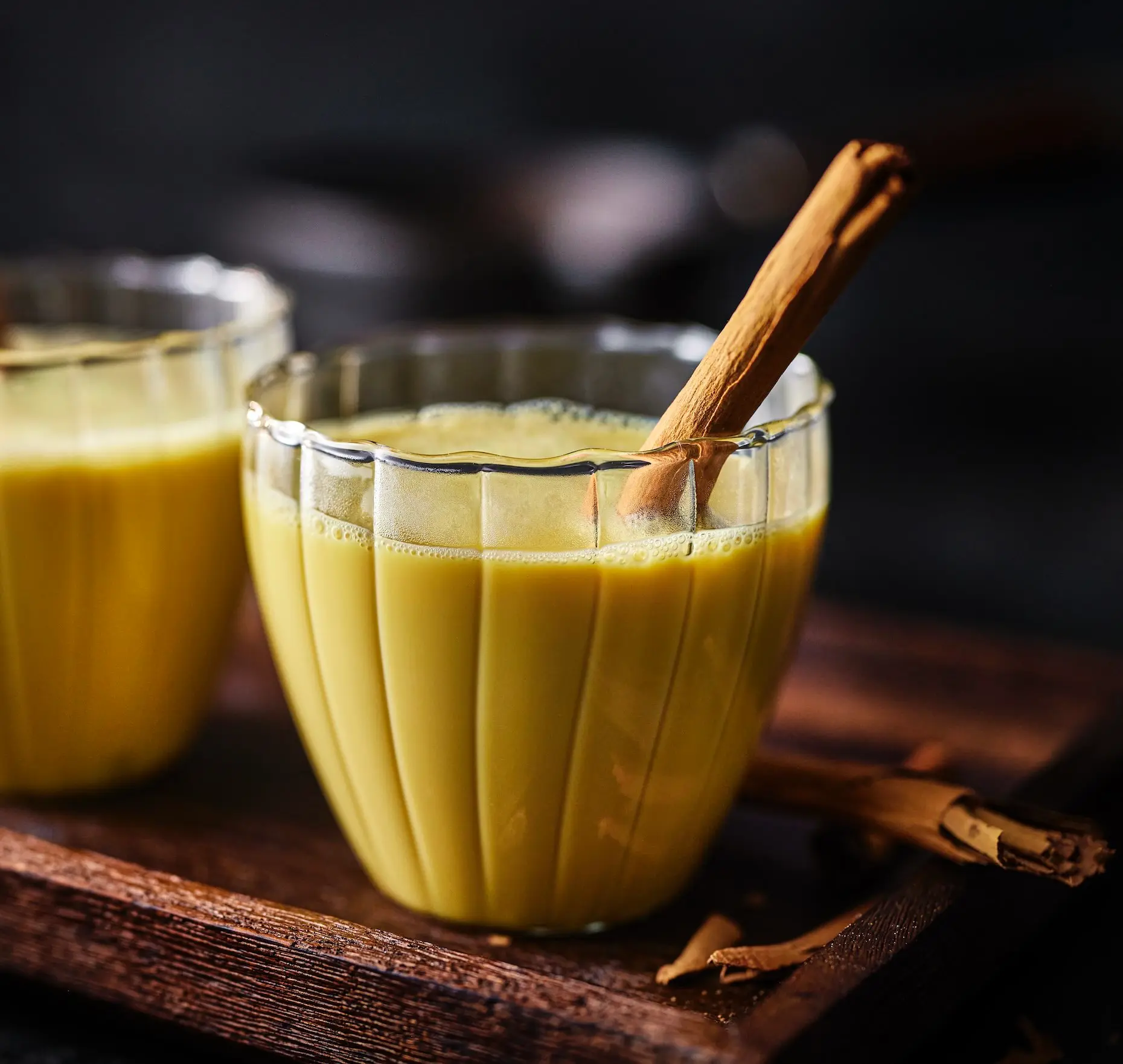
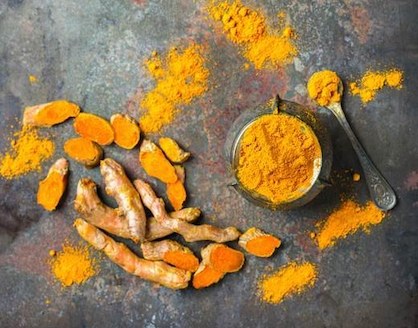
About the M&S, Kew and Cambridge botanical research
We're advancing our innovation programme through strategic partnerships with the Royal Botanic Gardens, Kew and using expertise from scientists at Cambridge University. Together, we're conducting primary research to identify botanical extracts that could help manage low-grade, systemic inflammation. The testing examines whether adding these botanical extracts to live cell cultures can naturally down-regulate the body’s inflammatory pathway.
Some botanicals may target a single pathway, while others can affect multiple pathways. We aim to create a blend that influences multiple pathways for a more holistic effect. Botanicals such as turmeric, cloves, spirulina and Chinese liquorice were among those tested for their potential benefits.
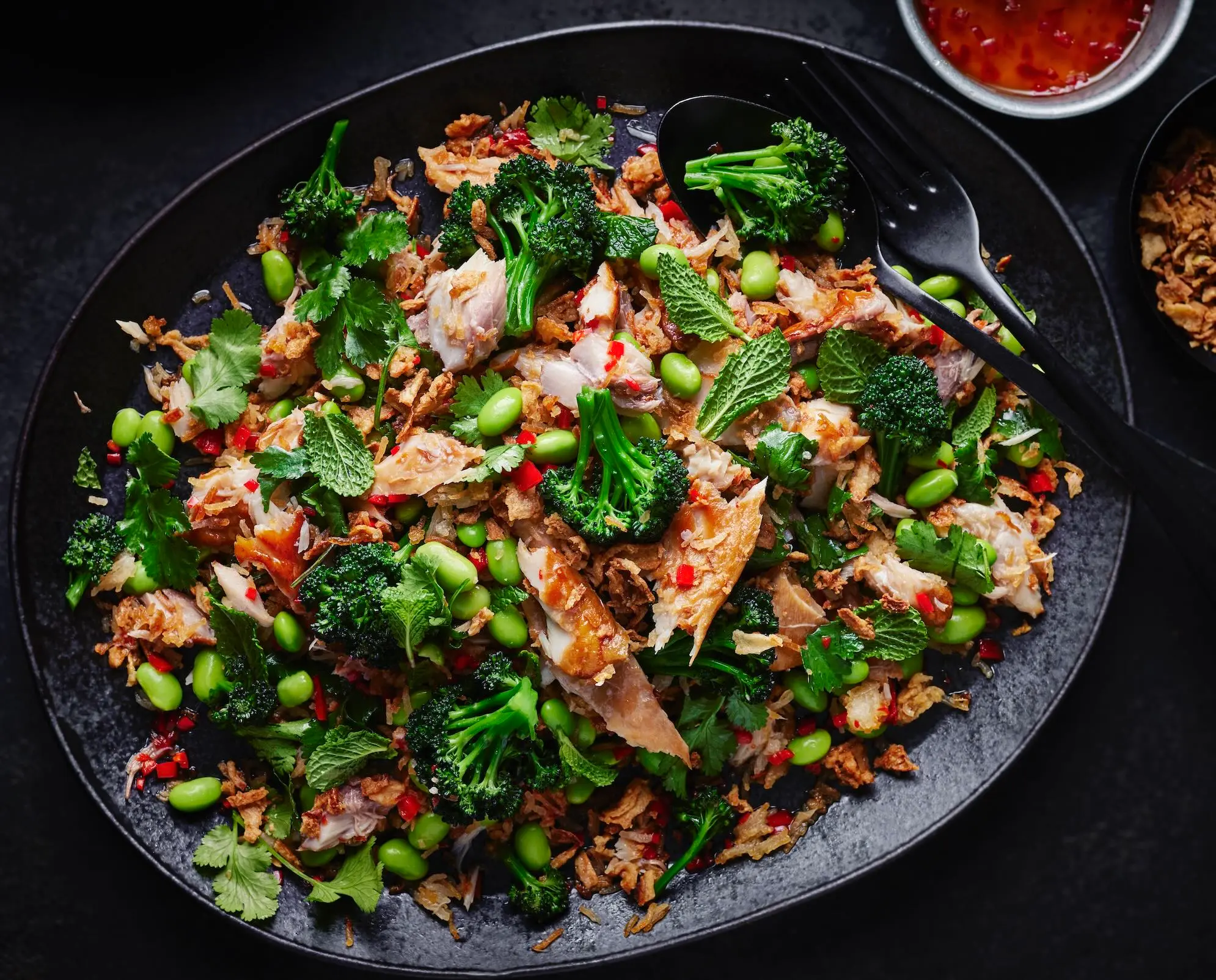
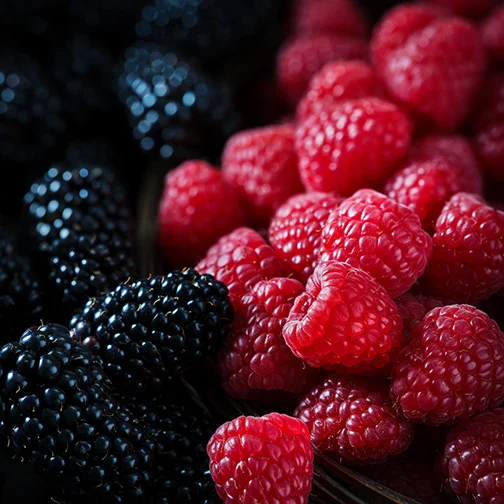
Anti-inflammatory diet tips
Anti-inflammatory effects appear to occur from the combined action of bioactive compounds, antioxidants, fibre, and vitamins and minerals in different foods working together, rather than from a single compound or food. It is important to have a varied, balanced diet which includes some of the following:
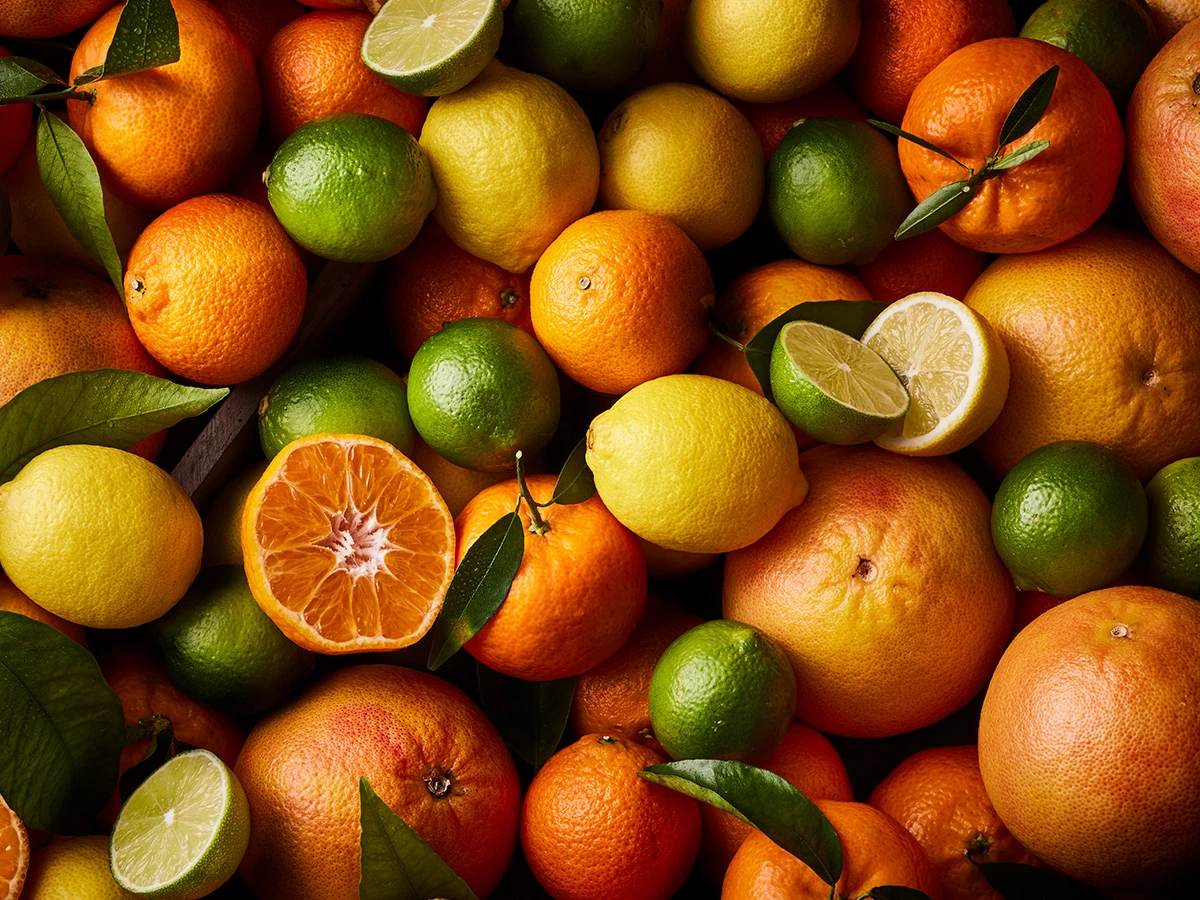
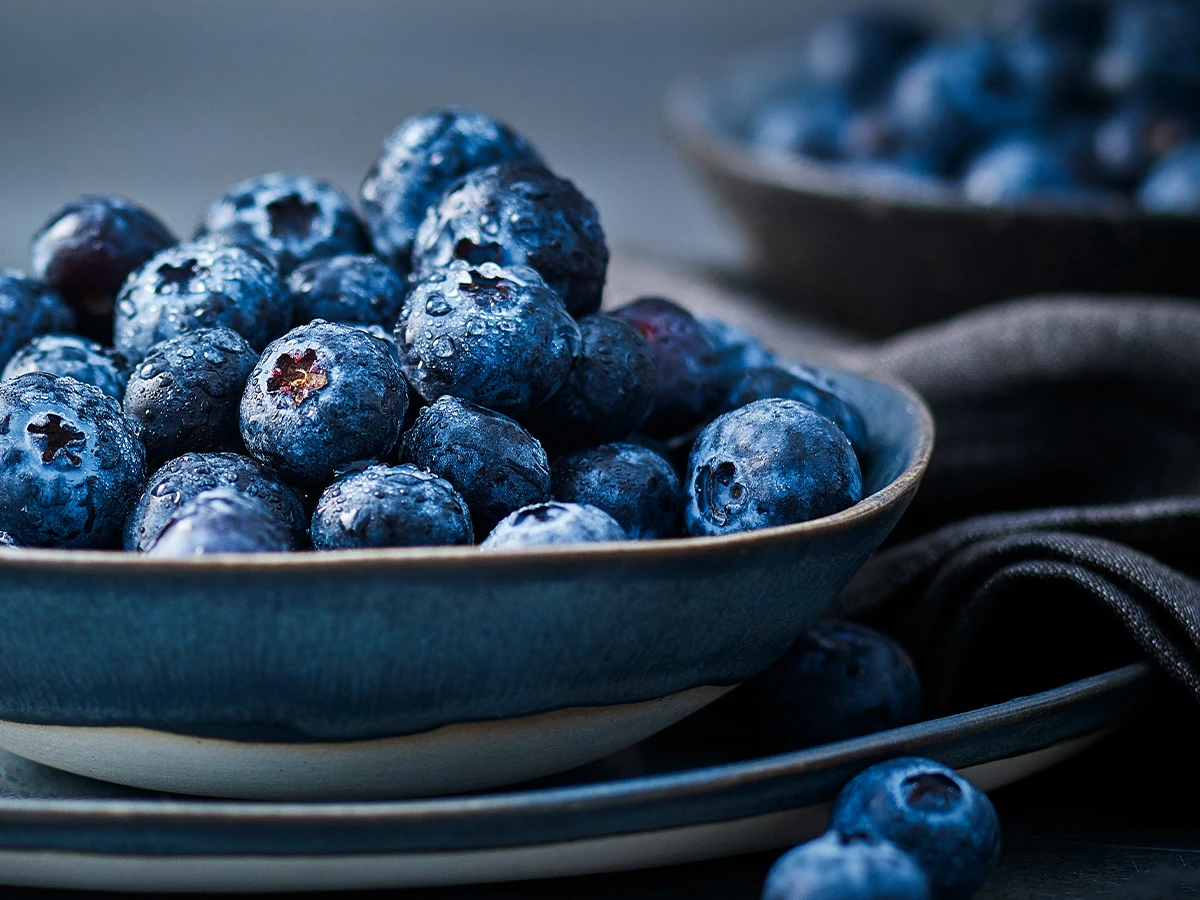
Fruit and vegetables: These contain various beneficial compounds, including vitamins and minerals, as well as polyphenols (found in dark red fruits), quercetin (found in onions and broccoli), and anthocyanins (found in berries and purple sweet potatoes). These compounds can act as antioxidants, helping to protect cells from damage.
Wholegrains: These retain the entire bran, germ and endosperm layers of the grain and are rich in fibre and other beneficial micronutrients. Find them in foods such as brown rice, oats, quinoa, and barley.
Nuts and seeds: Almonds, walnuts, flaxseeds and chia are examples of foods rich in healthy fats, vitamins and minerals and antioxidants, which may reduce oxidative stress.
Beans and pulses: Lentils, chickpeas and soybeans provide fibre and plant-based protein and are high in fibre.
Oily fish: Salmon and mackerel are excellent sources of omega-3 fats.
Olive oil: Olive oil is rich in monounsaturated fatty acids and contains polyphenols
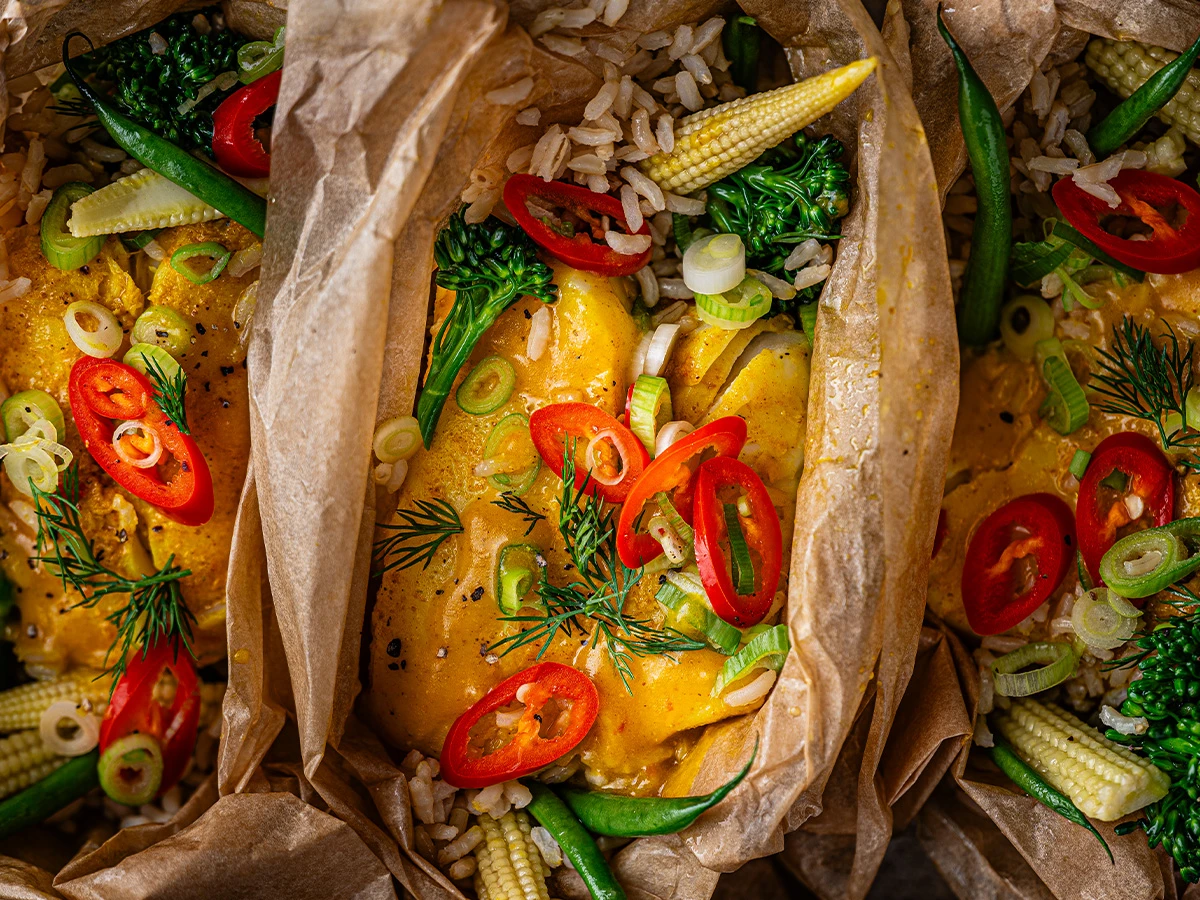
Herbs, spices and botanicals, like turmeric, cloves and Chinese liquorice: Turmeric and ginger are botanicals which have been used for centuries in traditional herbal medicine. Turmeric contains the active component curcumin, which has reported anti-inflammatory and antioxidant properties and is better absorbed by the body when paired with piperine, found in black pepper. Ginger, which contains active components gingerols and shogaols, is another botanical reported to exert anti-inflammatory properties by the counter-production of pro-inflammatory signalling molecules.
The research presented on this webpage is not based on a clinical study. The findings represent an observed association, and further clinical research is required to validate these results and determine their potential implications. This content should not replace professional medical advice.
Published 09/01/2026