Your ultimate guide to high fibre foods
Senior Food Editor at M&S Food
Heather Taylor
Which foods are high in fibre?
Fibre is a hidden hero in our diets. Found in plant-based foods, it helps to keep our digestive system running smoothly and plays an important role in supporting our overall health.
Wholegrains

Wholegrains
“Opting for wholegrain varieties of rice, bread and pasta where possible is a great way to boost your fibre intake,” says M&S Senior Nutritionist Louisa. “Wholegrains retain the entire grain, including the germ, endosperm and bran layers, and are thereby richer sources of fibre.”
Top pick: At M&S, all our pre-packed bread is at least a source of fibre and is enriched with vitamin D.
Fruits and vegetables
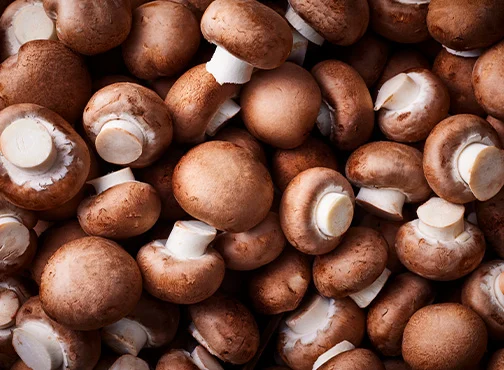
“Try to include at least five portions of fruit and veg a day,” says Louisa. Veggies like cauliflower and chestnut mushrooms are high in fibre, while tomatoes, plums, carrots and avocados are a source of fibre – but overall, aim for a variety to boost your plant diversity.
Top pick: “Kiwis are an excellent source of soluble fibre,” says Louisa. “They have, on average, 3g per 100g, and contain an enzyme called actinidin, which specifically aids protein digestion.”
Beans and pulses
“A plant-based fibre and a source of plant-based protein, beans contain an average of 2.5 times more fibre than two slices of white bread,” says Louisa.
Top pick: try our creamy Collection Giant Butter Beans – add to salads or soups, or blitz into a dip.
Nuts and seeds
“Nuts and seeds contain both soluble and insoluble fibre, and they’re great to sprinkle on soups, salads or breakfast,” says Louisa.
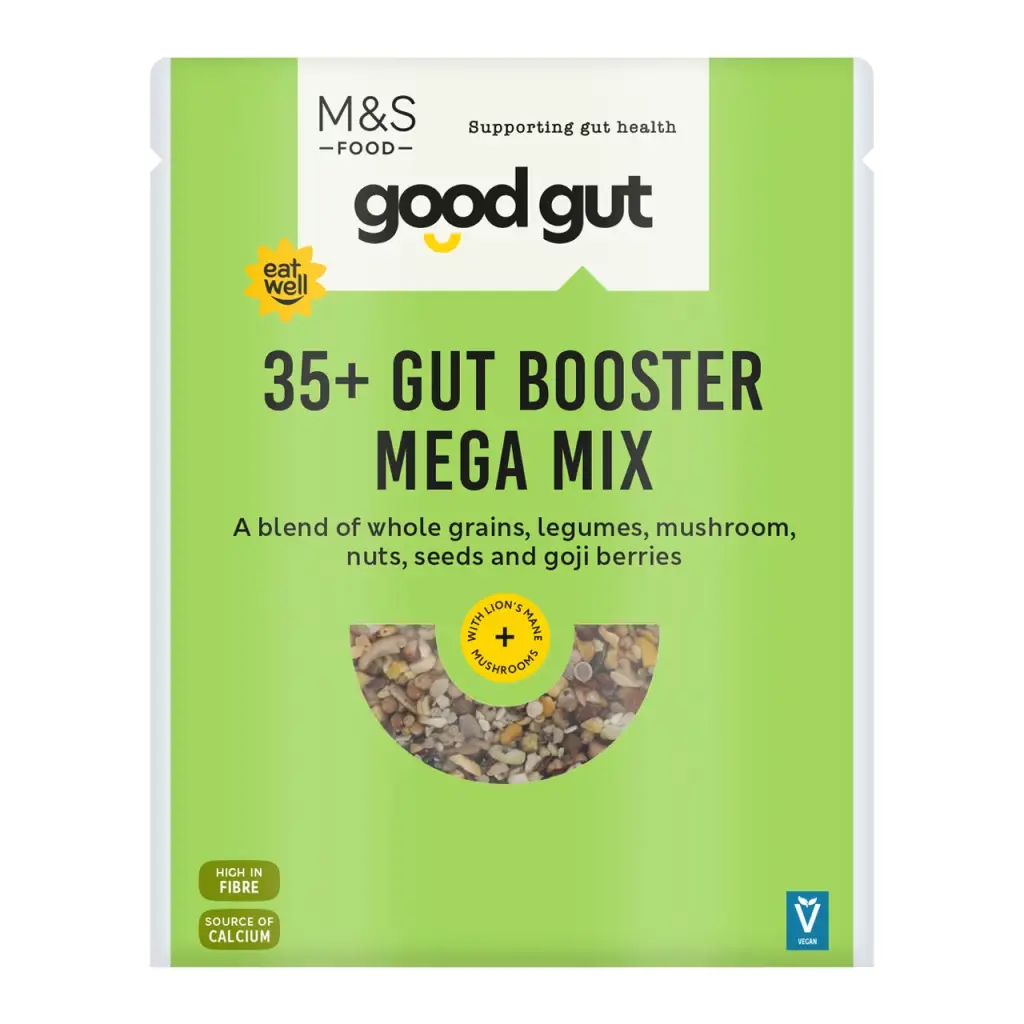
Top pick: Try our Good Gut 35+ Gut Booster Mega Mix, which contains 15.4g fibre per 100g.
Fibre-rich Foodhall picks
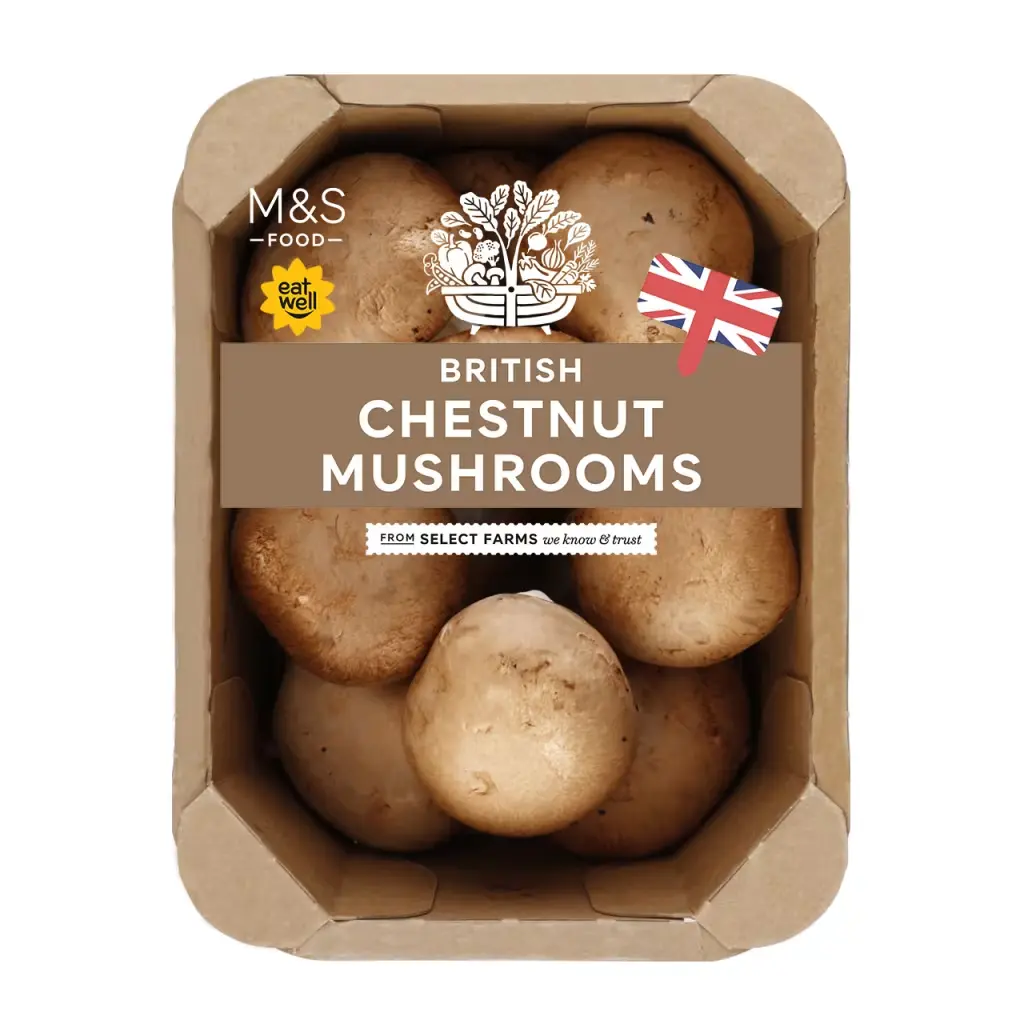

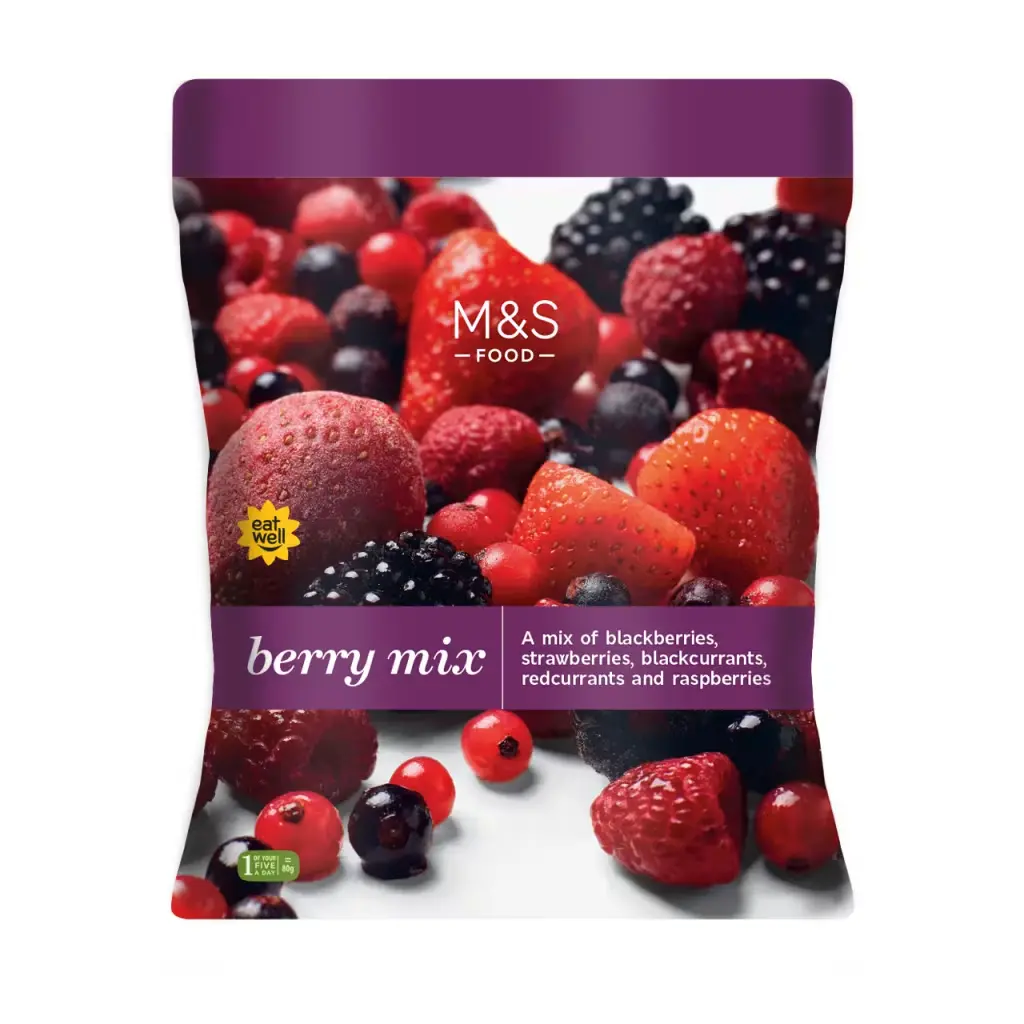
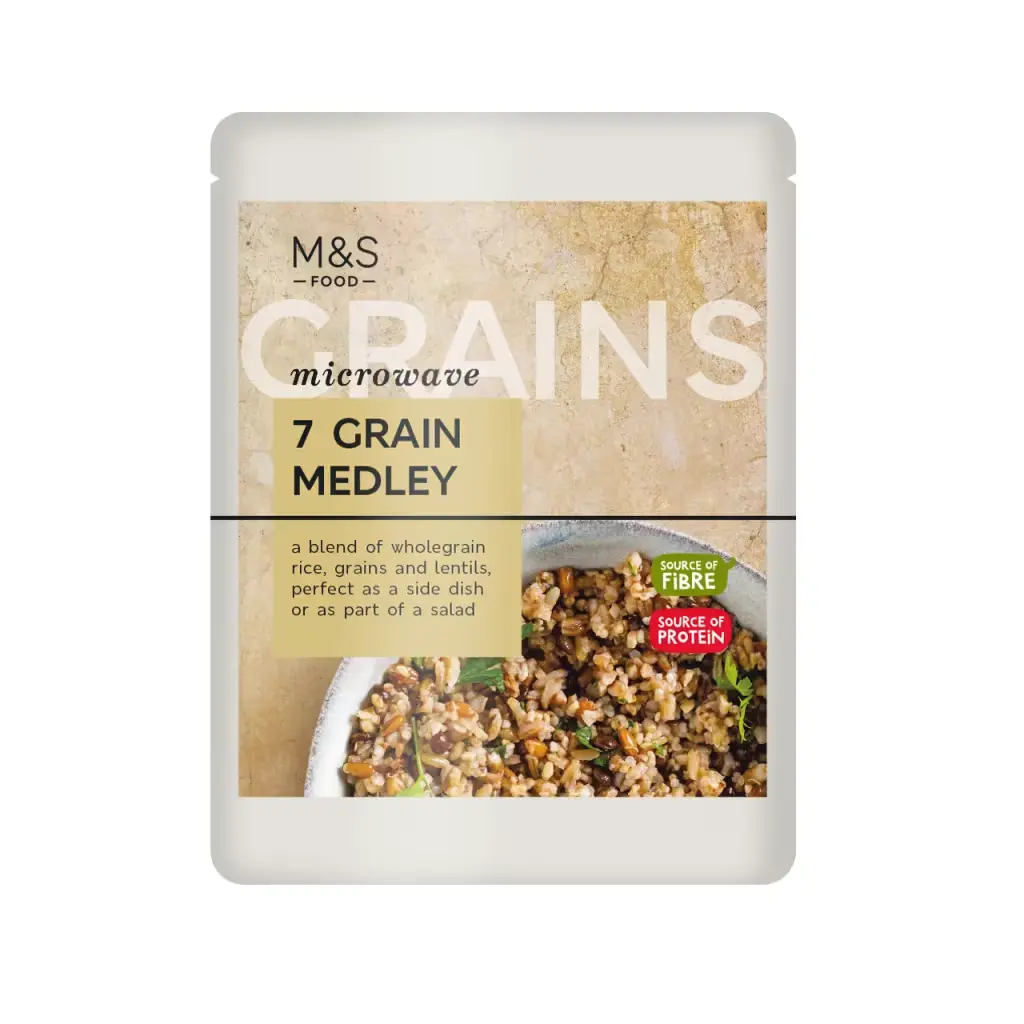
Kings College London, “Daily fibre supplement improves older adults' brain function in just 12 weeks,” 1 March 2024. [Online]. Available here.


What are the benefits of getting enough fibre?
“The UK government recommend that adults should on average consume 30g of fibre per day to support overall health and wellbeing,” says Louisa. “Fibre also helps us feel fuller for longer, supports blood sugar control, and can aid in weight management. There are different types of fibre, each offering unique health benefits.”
Digestive health – Fibre helps to maintain normal bowel function by increasing stool bulk and normal frequency.
Heart health – Certain specific fibres, such as beta-glucans found in oats, can support heart health by lowering LDL (bad) cholesterol.
Cognition and brain health – Emerging research on Alzheimer’s disease has found a link between fermentable fibre intake and beneficial short-chain fatty acid production, which can support memory and cognition.
Blood sugar control – Certain fibres help regulate glycaemic response and insulin sensitivity.
Immune support – Approximately 70-80% of the immune system is stored in the gut! Dietary fibre plays a crucial role in contributing to the interplay between gut microbiota and immunity.
Reducing bowel cancer risk – Research has found that individuals with diets higher in fibre have a reduced risk of colorectal cancer and adenomas.


How to eat more fibre
Add beans and pulses to your go-to family meals, such as spaghetti bolognese, curry or cottage pie.
Sprinkle seeds on top of soups, stews and breakfasts – try our omega-3 mixed seeds topper.
Swap white bread, pasta and rice for whole-grain versions.
Make getting your fibre easy with our groundbreaking Nutrient Dense range of snacks, breakfasts, salads and drinks.
Add mixed frozen berries and Good Gut Multigrain Oats to your morning smoothie.


How does fibre support gut health?
“Primarily, fibre plays a role in feeding beneficial gut bacteria,” says Louisa. “Fermentable fibres are broken down in the colon to produce short-chain fatty acids like butyrate, which have several important roles, such as supporting the cells lining the gut (intestinal mucosa), regulating cell growth, and supporting the immune system in protecting against harmful pathogens.”


High fibre meal ideas
Ready to up your fibre? Try these easy recipes, which are all high in fibre or a source of fibre and carry our Eat Well health seal of approval.
High fibre dal
This comforting, gently spiced high fibre dal is topped with air-fried, tikka-marinated tofu.
High fibre baked sweet potatoes
These crowd-pleasing baked sweet potatoes are loaded with fibre-rich smoky beans and whipped tahini.
Healthy pear breakfast loaf
Start your day with a spiced pear breakfast loaf, which can be made ahead and enjoyed throughout the week.
Gut-supporting smoothie bowls
Get your day off to a gut-friendly start with these colourful high-fibre smoothie bowls.

Published 30/06/2026