Eat Well
Assistant Copywriter
Florence HeadLoading
What is Eat Well?
The Eat Well flower is only given to products that meet evidenced-based criteria developed by our nutritionists and endorsed by the British Nutrition Foundation. This means that all products which carry the Eat Well flower offer a health benefit and support a balanced diet—so you can trust it. And the best part? Because it’s from M&S, you can be sure every Eat Well product you choose will taste great too.



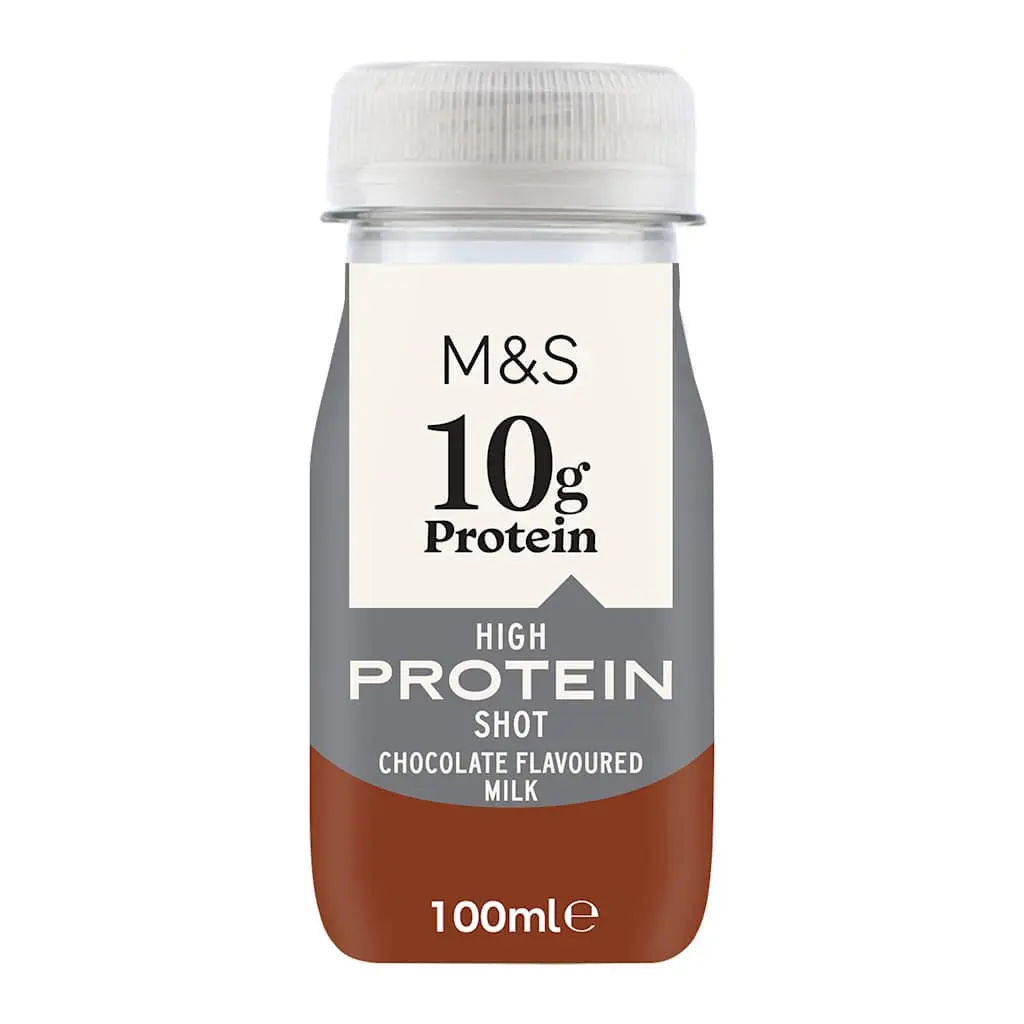
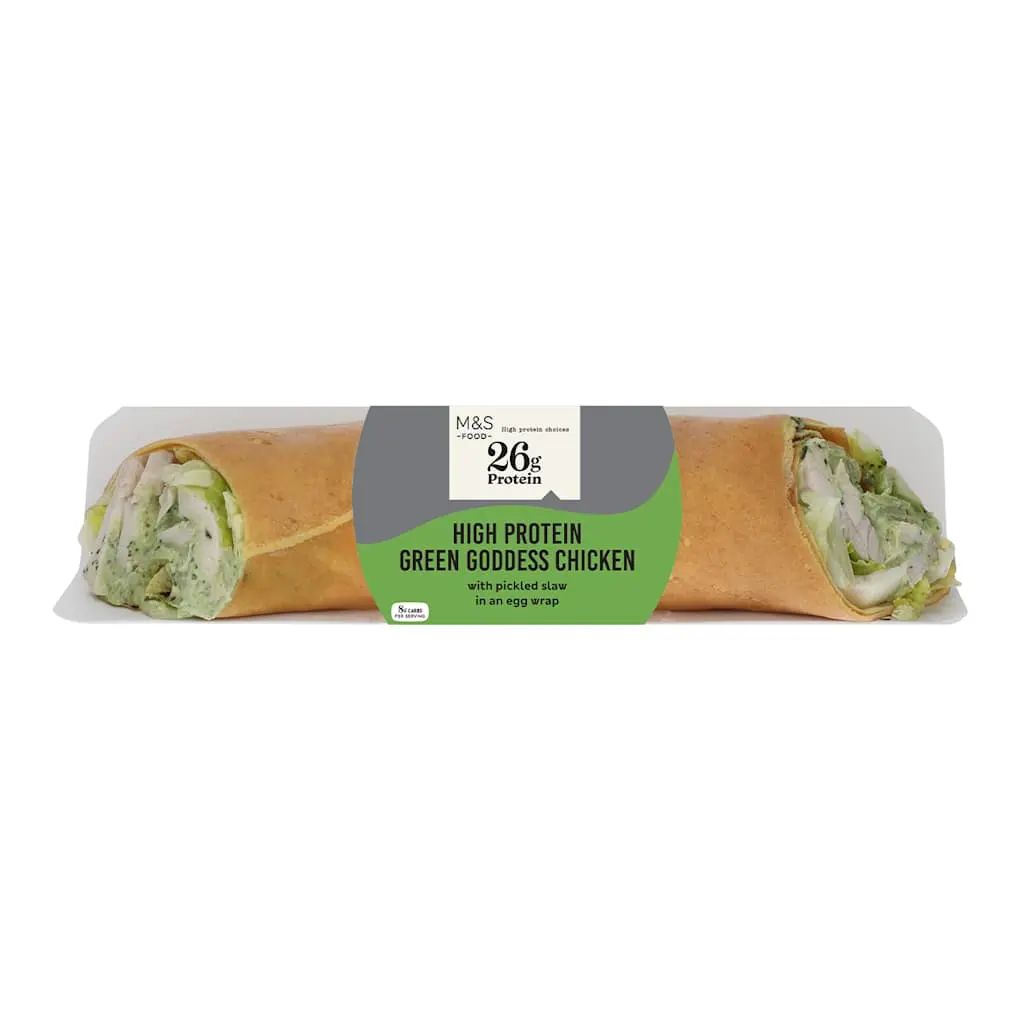
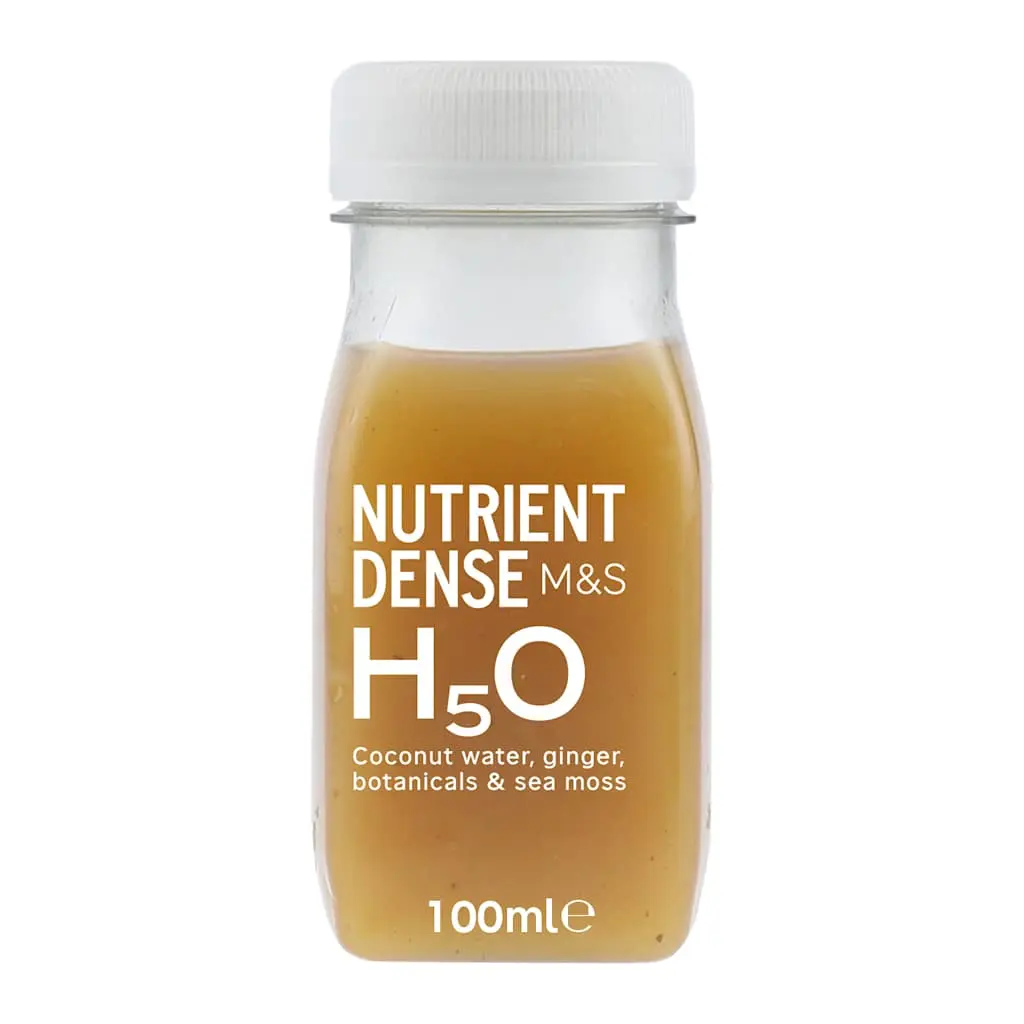

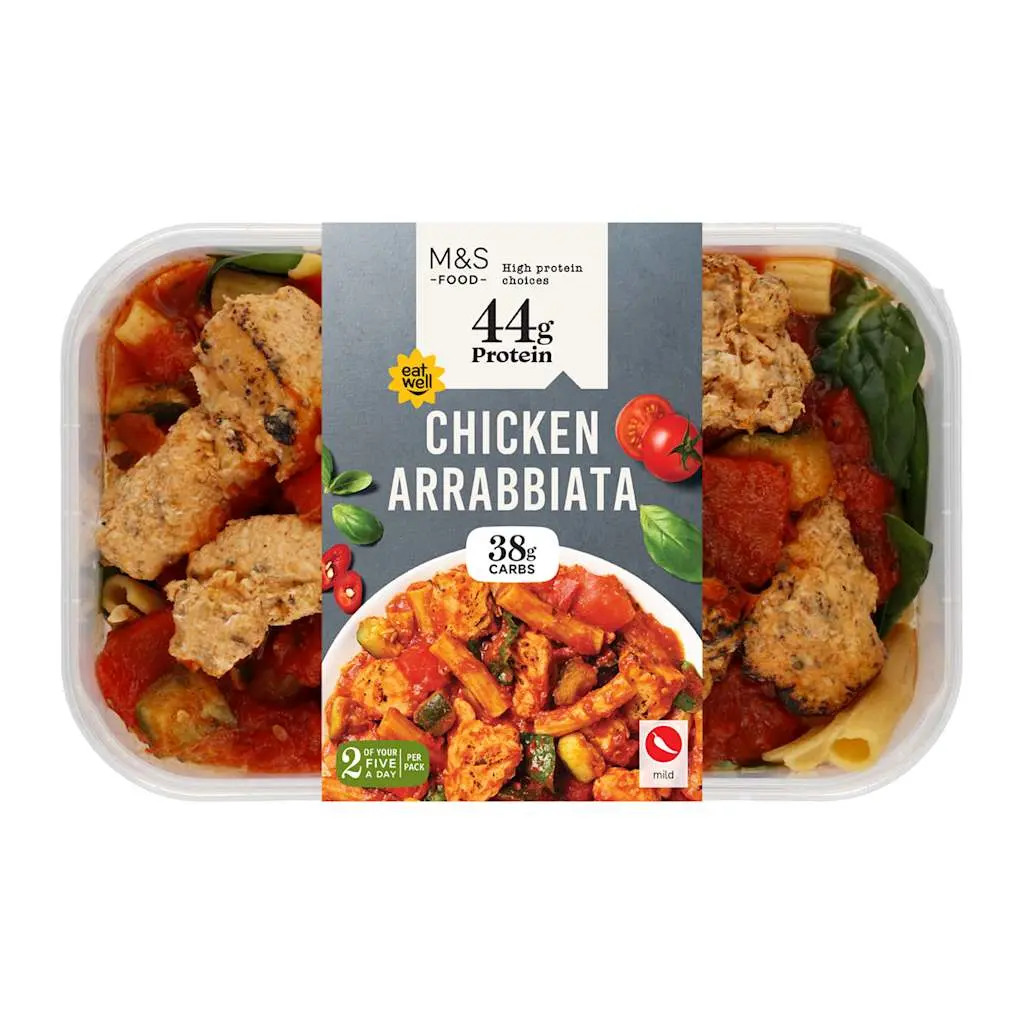
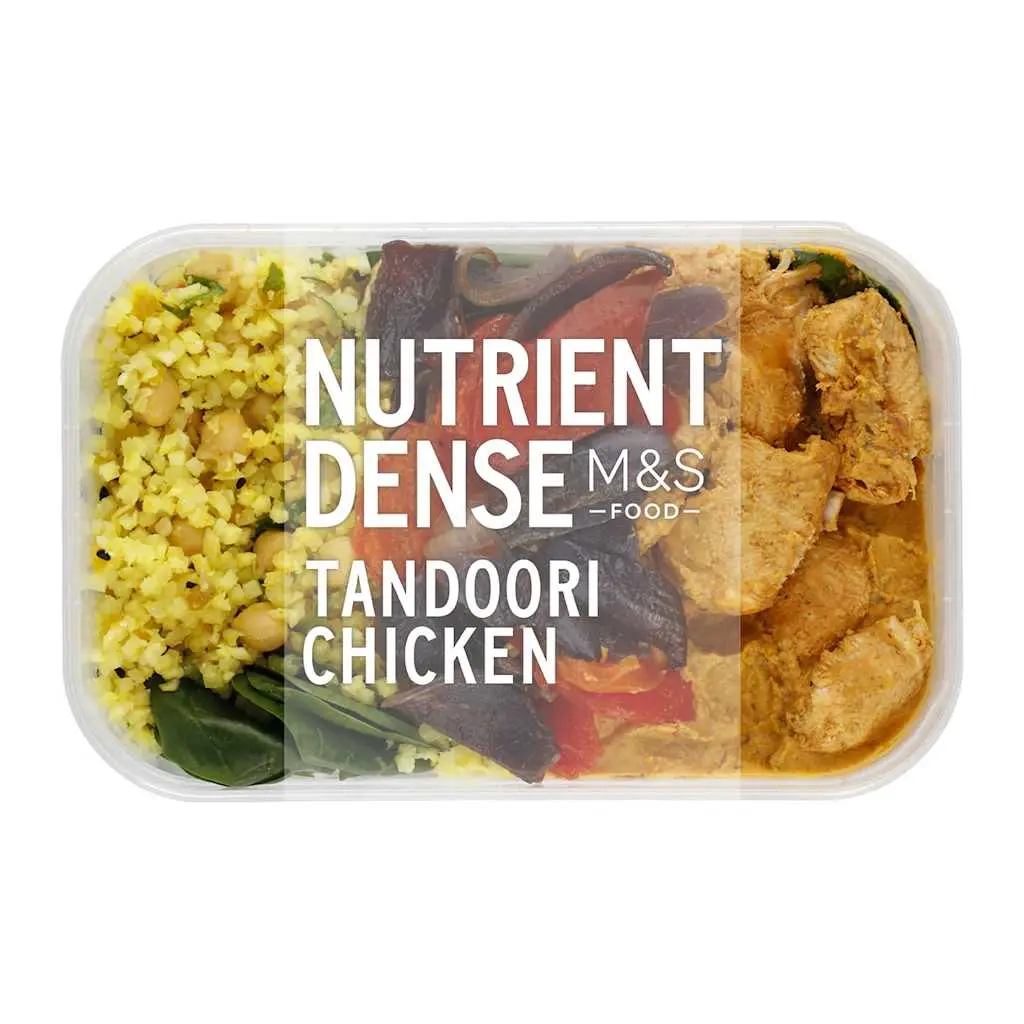

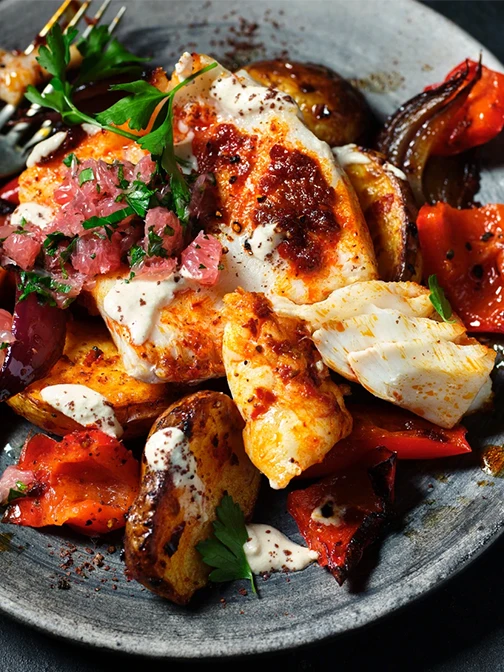

Tips from the M&S nutritionists
Sophia Linn, head of health and nutrition at M&S Food says: “At M&S, we believe the key to a balanced diet is providing delicious and healthy choices with for every occasion. It’s not about restriction and restraint but providing more nutritious foods for our customers, and never compromising on quality."
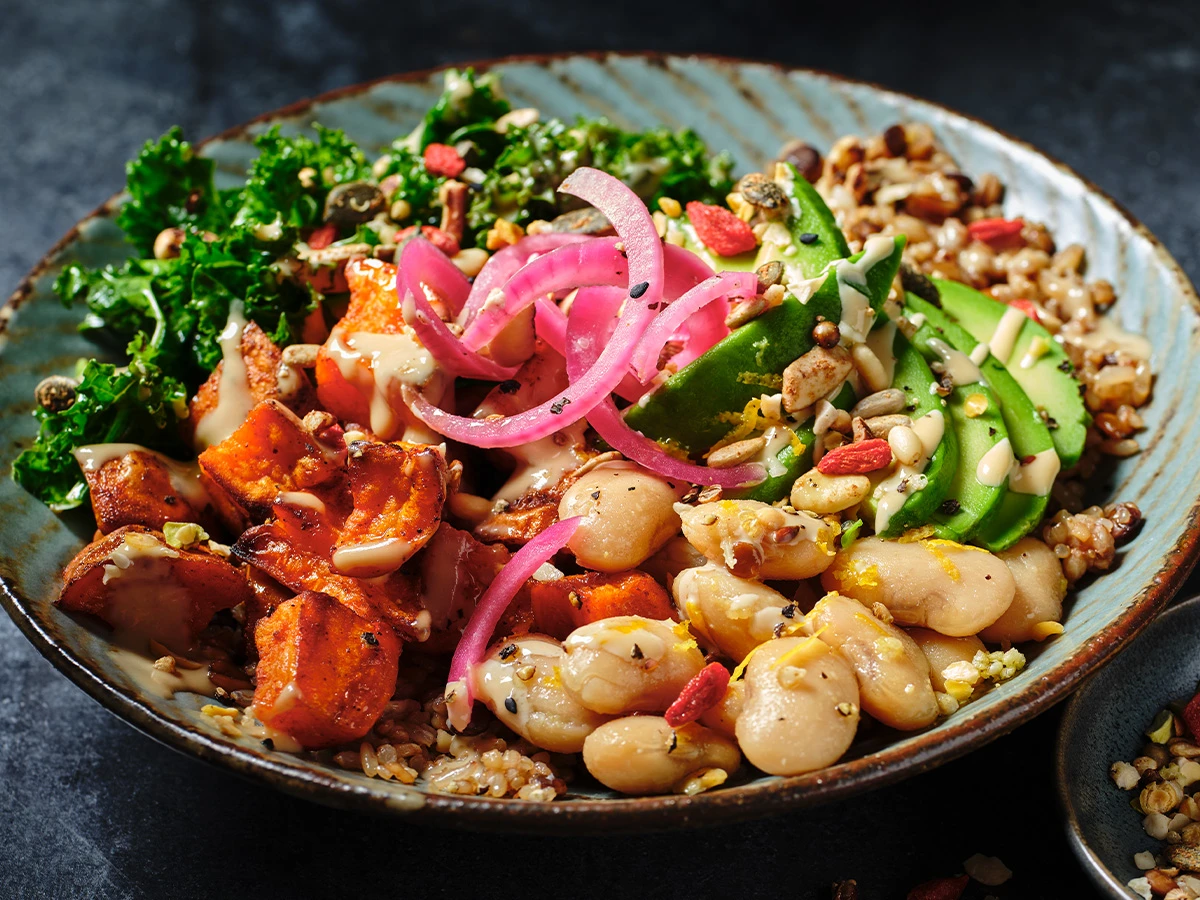
• Eat more fruit and veg – whether it’s five portions or 30, increasing your fruit and vegetable intake helps to achieve a healthy balanced diet through vitamins and minerals. Choosing a variety of types and colours can help reduce risk of deficiency in the diet and increase fibre intake.
• Choose wholegrain carbohydrates – around one third of your daily diet should be starchy carbohydrates. Bread, rice and pasta are all good sources of energy and choosing wholegrain varieties helps to increase your fibre intake.
• Choose lean protein – whether it’s beans, pulses, fish, eggs or lean meat, lean protein is great for a healthy diet. Including dairy or fortified dairy alternatives in your diet is a good source of vitamins and minerals.
Aim for two portions of fish a week – with one being an oily fish such as salmon, mackerel, or sardines, for your quota of heart-healthy omega 3.
• Manage the amount of saturated fat, sugar, and salt in your diet – choose items which have mostly green and amber food labelling to help you.
• Drink plenty – 6-8 glasses a day (around two litres) of fluid, ideally water. Or opt for sugar-free drinks including tea, coffee, herb or fruit teas, milk or fortified dairy alternatives. One 150ml glass of fruit juice or smoothie counts too.
• Get active every day – anything that gets your heart beating faster, whether it’s walking, gardening or dancing. Being active also helps improve sleep and mood, and helps to relieve stress.
Published 15/06/2026