How to achieve a balanced diet
Content editor
Emily Lambe
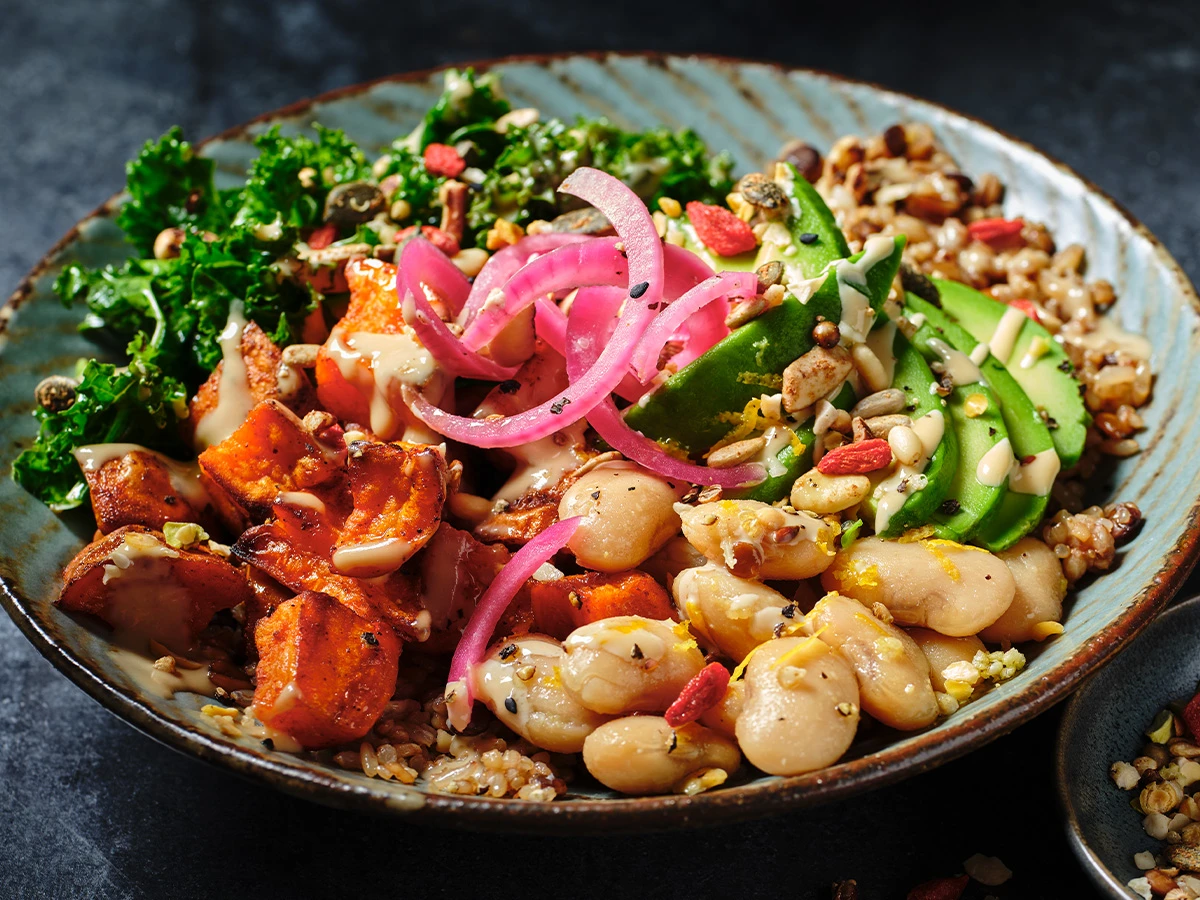
When it comes to a balanced diet, it's important to consider each of the main food groups and to look at your diet as a whole. The NHS Eatwell Guide illustrates the proportions of each food group needed to achieve a healthy, balanced diet that provides a variety of essential nutrients.
Louisa Brunt, Senior Nutritionist at M&S Food says, “At M&S, we believe that a balanced diet starts with offering delicious and healthy choices for every occasion. Our goal is to help our customers achieve this by providing nutritious foods that never compromise on quality."
Foods to eat for a balanced diet
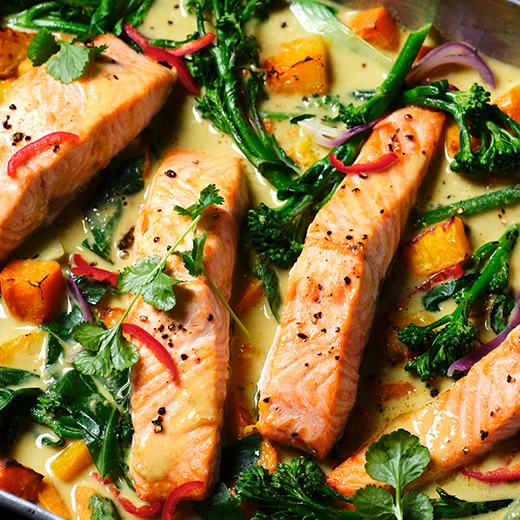
Some simple steps will help you balance your diet and meet your nutritional goals. Maybe you need to pack in more high-protein foods like meat, beans and pulses. Or add more high-fibre foods like oats and lentils to improve your gut health.
Food groups to include in your diet:
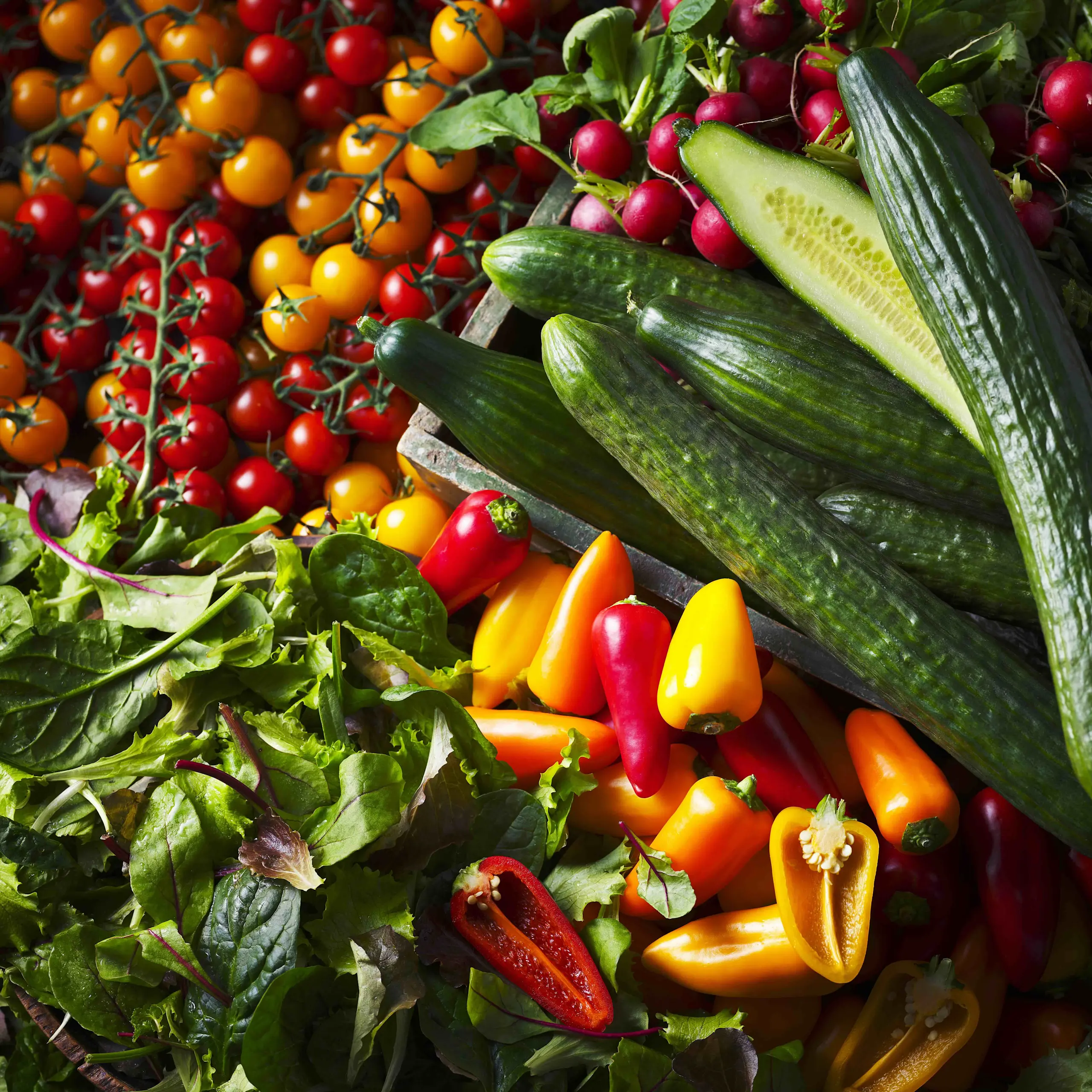
Fruit and vegetables: Full of vitamins, minerals, and fibre, aim for at least five per day.
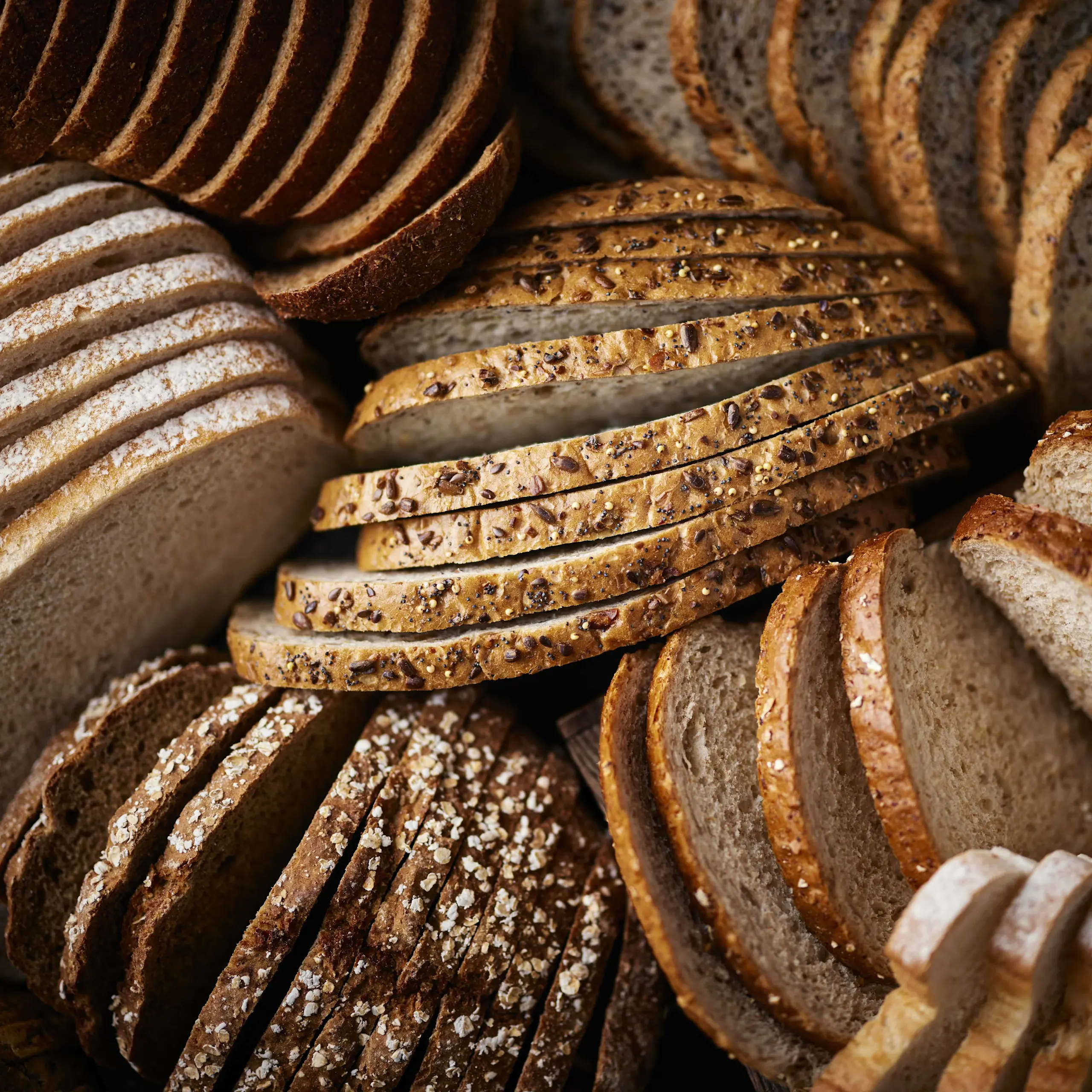
Wholegrain carbohydrates: Carbs provide energy and fibre. Opt for wholegrain options wholemeal bread and brown rice.
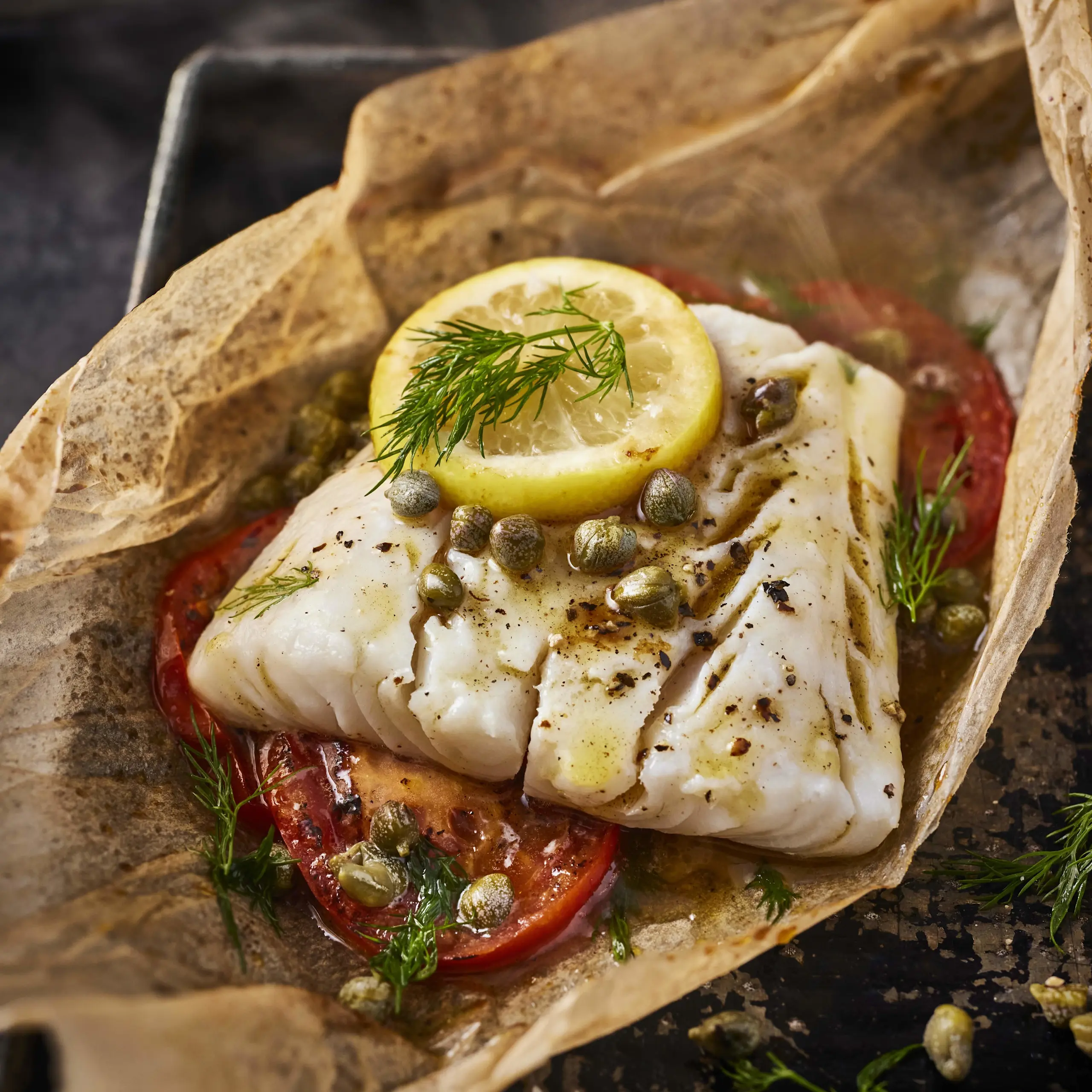
Protein sources: Important for getting essential amino acids, get your protein from meat, fish, eggs, beans, pulses, nuts, or tofu.
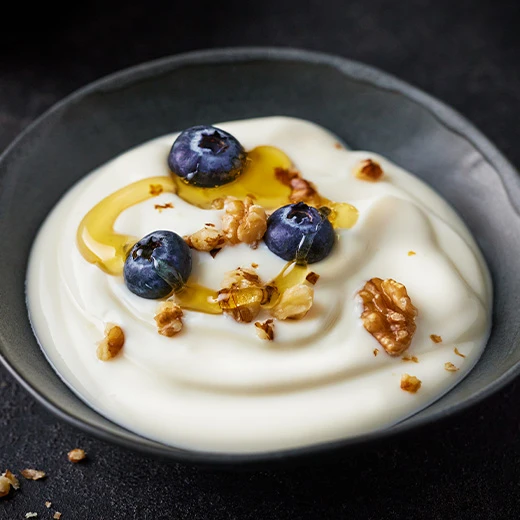
Dairy: A source of protein and calcium, including milk, yogurt, cheese, or fortified plant-based alternatives.
Healthy fats: Include a small amount of unsaturated oils and spreads in your diet, like olive oil.


More tips for a balanced diet
Limit the quantity of saturated fat, sugar and salt in your diet – try to choose food products with green and amber traffic lights on the front of the pack packaging.
Drink plenty – hydration is key, so aim for 6-8 glasses of fluid, ideally water. Or opt for sugar-free drinks, including tea, coffee or fruit teas, milk, or fortified dairy alternatives. One 150ml glass of fruit juice or smoothie also counts, but stick to recommended portion sizes to limit sugar intake.
Get active every day – anything that increases your heart rate, whether that's walking, gardening or dancing. Being active also helps to improve mood and relieve stress.


Healthy recipe ideas
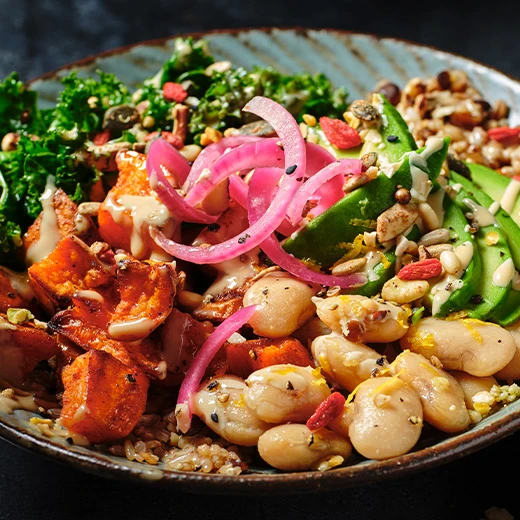
Looking for some healthy recipe inspiration? We have plenty of recipes to keep you covered all day long. Get organised with a week of healthy lunches or use our meal planner tool to craft your own list.

Published 29/12/2025