The best foods for gut health
Senior Food Editor at M&S Food
Heather Taylor
What are the top gut health foods?
Supporting your gut health may seem confusing, but there are plenty of everyday ingredients that can help you thrive on the inside. Eating 30 different types of plants a week is thought to improve your gut diversity, in turn supporting your gut health. The good news? This includes foods you’re probably already eating.
Wholegrains, such as wholewheat pasta, wholegrain rice and grains
Fruits and vegetables
Legumes, such as lentils and split peas
Support your gut health
Introducing TriMarks™
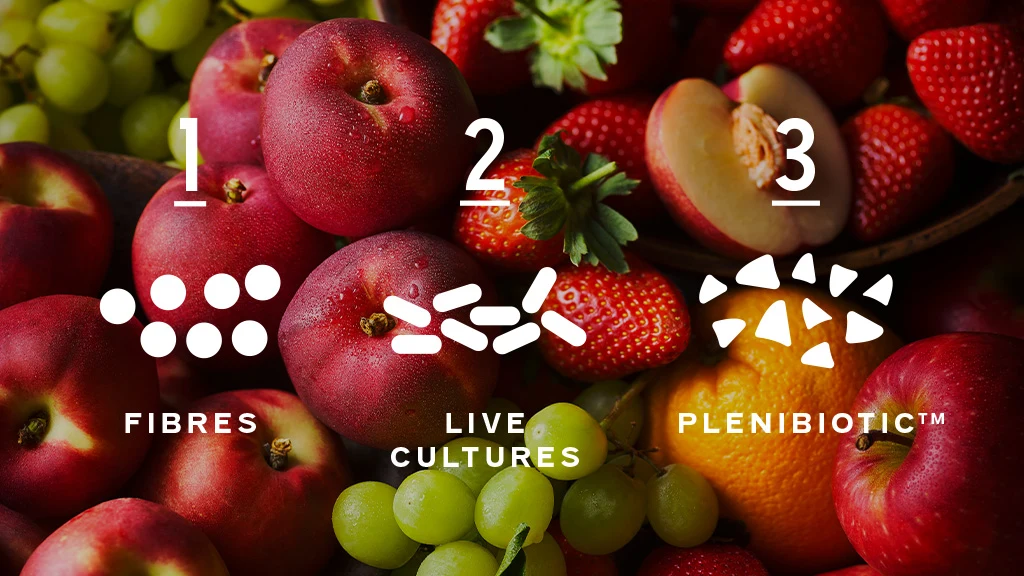
TriMarks™ is a unique blend, specifically formulated to combine fibre, live cultures, and Plenibiotic™ to support gut health and help you thrive from the inside out. Our TriMarks™ blend can be found in all our Good Gut flavoured kefir yogurts, drinks and shots, to make supporting your gut health as easy as it is delicious. Look out for products in the Foodhall from 5 January.
What makes TriMarks™ special?
Fibre
Fibre is a key part of keeping our digestive system healthy, which is why it's included in our TriMarks™ blend. We’ve chosen acacia fibre and chicory inulin fibre because they’re highly soluble, forming a gentle gel in the gut that slows the absorption of nutrients like glucose, which may help regulate blood sugar levels. As a fermentable fibre, they also acts as a food for the beneficial bacteria in your gut, helping them grow and thrive.
2. Live cultures
The bacteria in your gut are part of your body’s natural ecosystem, and adding beneficial live cultures can help support positive health outcomes. That’s why we’ve included them in the TriMarks™ blend. Live cultures help restore microbial balance, especially after times of stress or illness. Working together with fibre, they feed on the fibre that reaches your gut and produce short‑chain fatty acids. These provide energy to the cells lining your gut, strengthen the gut barrier, and may support healthy appetite regulation and glucose metabolism. By nourishing this inner ecosystem, live cultures play a vital role in supporting gut health
3. Plenibiotic™
Plenibiotic™ is chosen for its benefits to digestive and bowel health. Plenibiotic™ helps to maintain healthy, regular digestion by supporting gut motility and promoting bowel function. It works to keep your digestive system running smoothly, encouraging regularity.
Hit your gut health goals




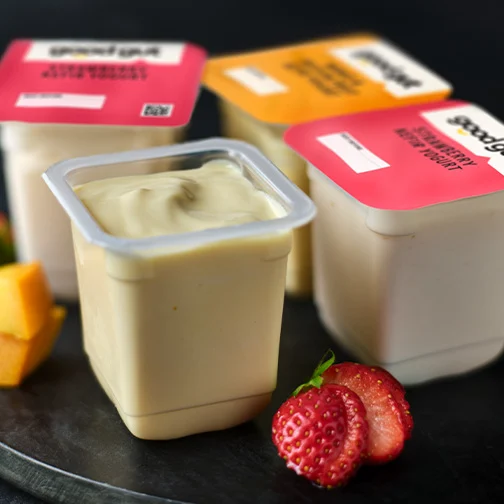

Fermented foods
Fermentation is an ancient technique originally developed to preserve food. Microorganisms like bacteria and yeast are added to break down food compounds. Some fermented foods contain live friendly bacteria that help restore the natural balance of your gut microbiome.
You may be eating fermented foods and not even know it. Yogurt is made by mixing friendly bacteria into milk, while sourdough bread is made with a starter of fermented flour, water and salt.
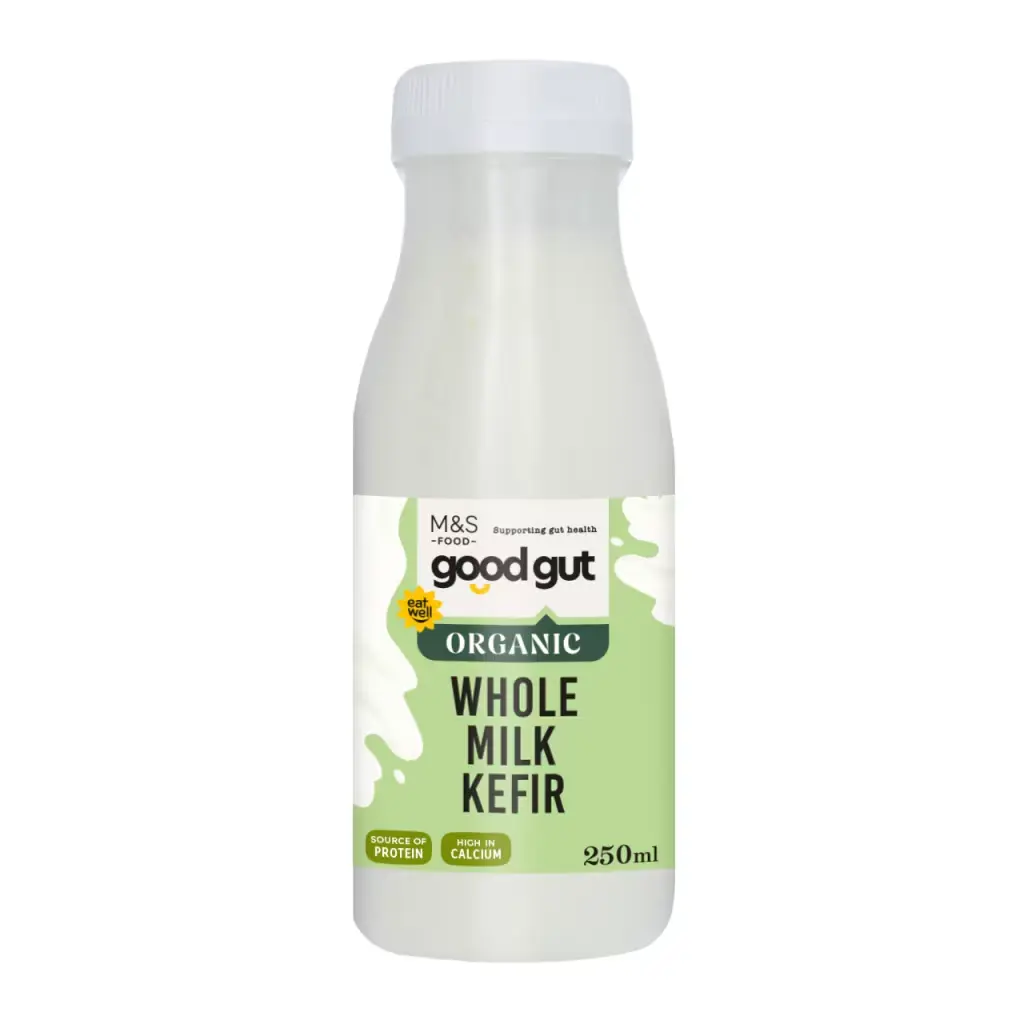
If you’re looking to add more fermented food to your diet, our Good Gut range is a brilliant place to start, with kefir and yogurts containing billions of live cultures. Try these fermented foods:

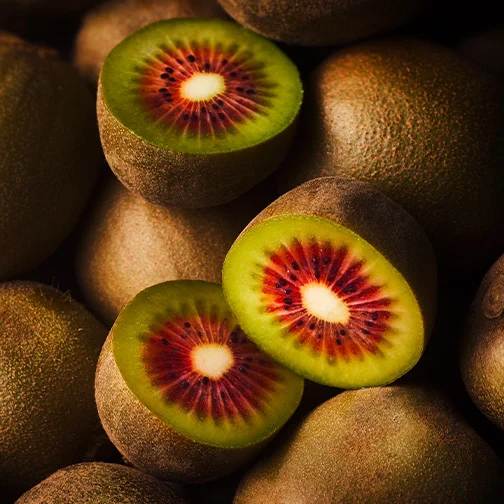
Fibre-rich foods
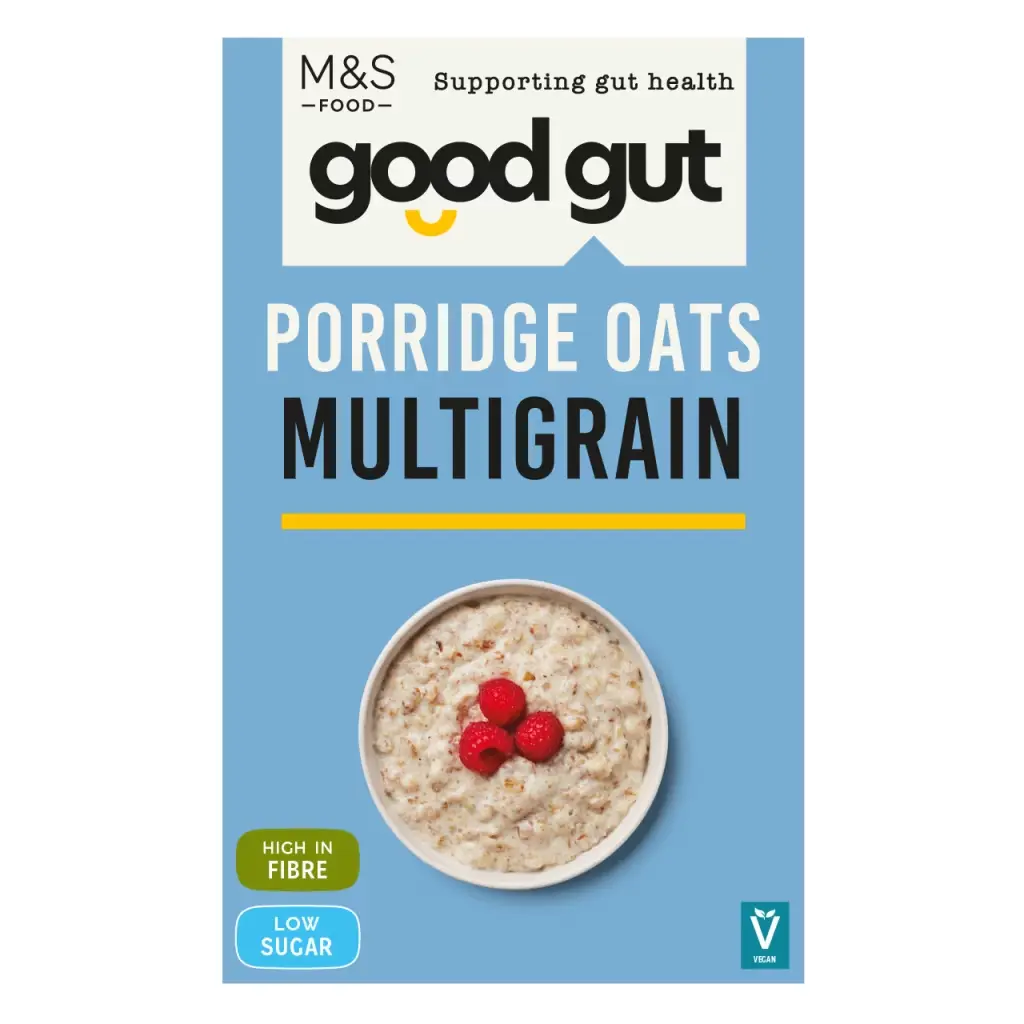
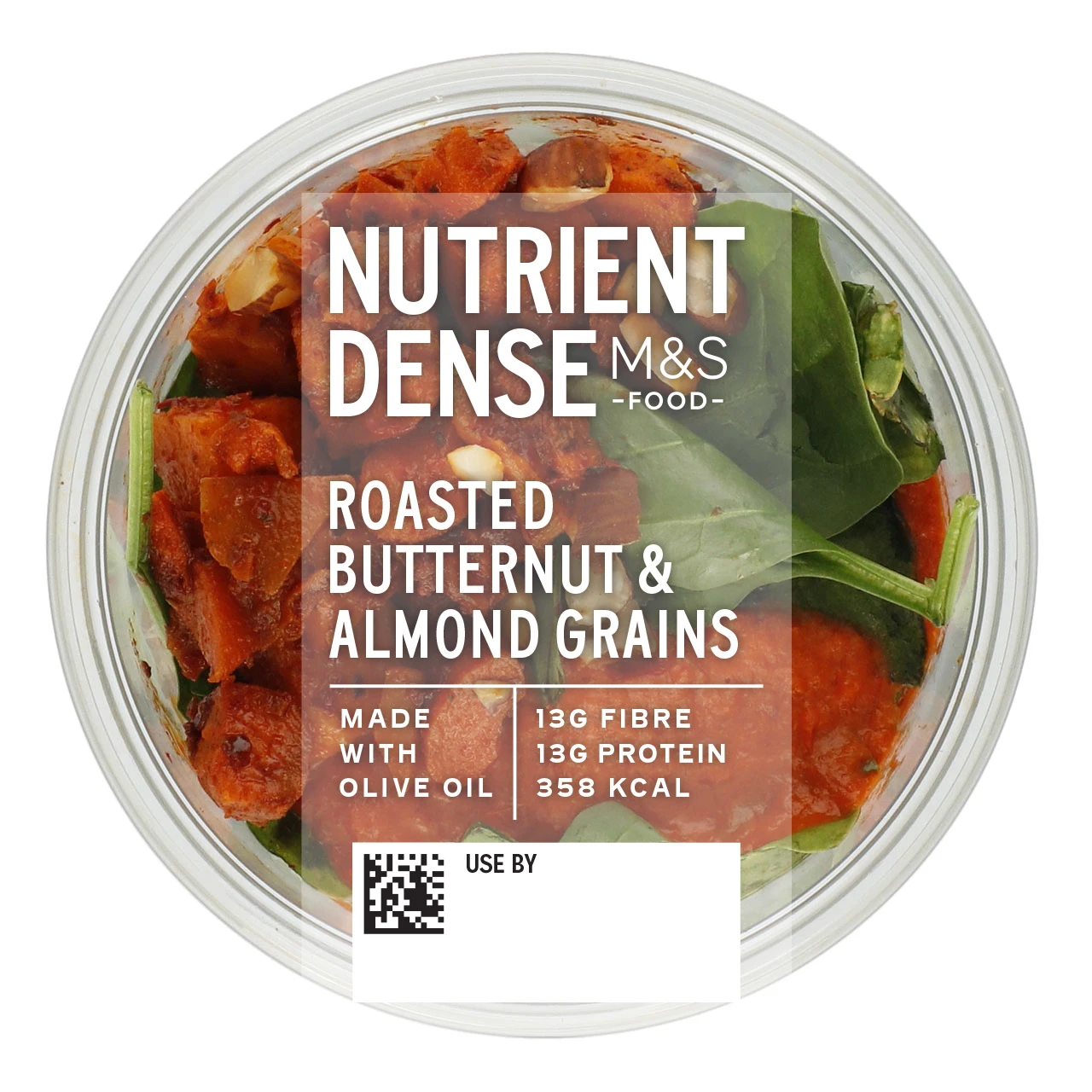
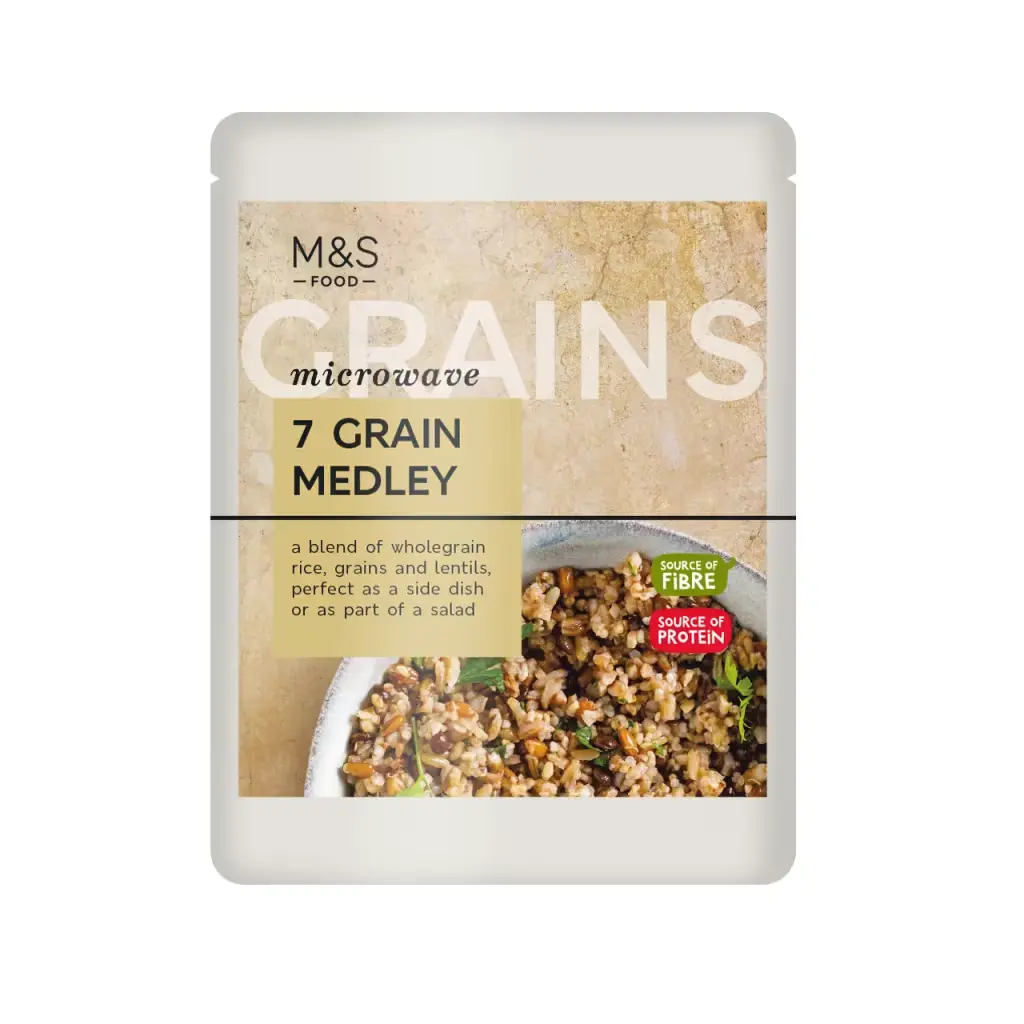
Fibre is key when it comes to gut health; some types help to feed the bacterial species in our gut. In the UK, we don't eat enough fibre – the recommended intake is 30g fibre per day, but most people only eat around 16g per day. We've got lots of easy shortcuts in the Foodhall to help you eat more fibre and whole grains. Look out for our new Nutrient Dense range of salads, meals and more, which are always at least a source of or high in fibre. Swap white rice for our 7 Grain Medley with rice, grains and lentils, switch up your porridge for our Good Gut Multigrain Porridge Oats with barley, rye, oats, golden linseed and spelt, or try our Only 4 Ingredients Wholegrain Rye Bread.
Try incorporating these fibre-rich, whole-grain foods into your diet:
Hit your fibre goals
Fruits and vegetables
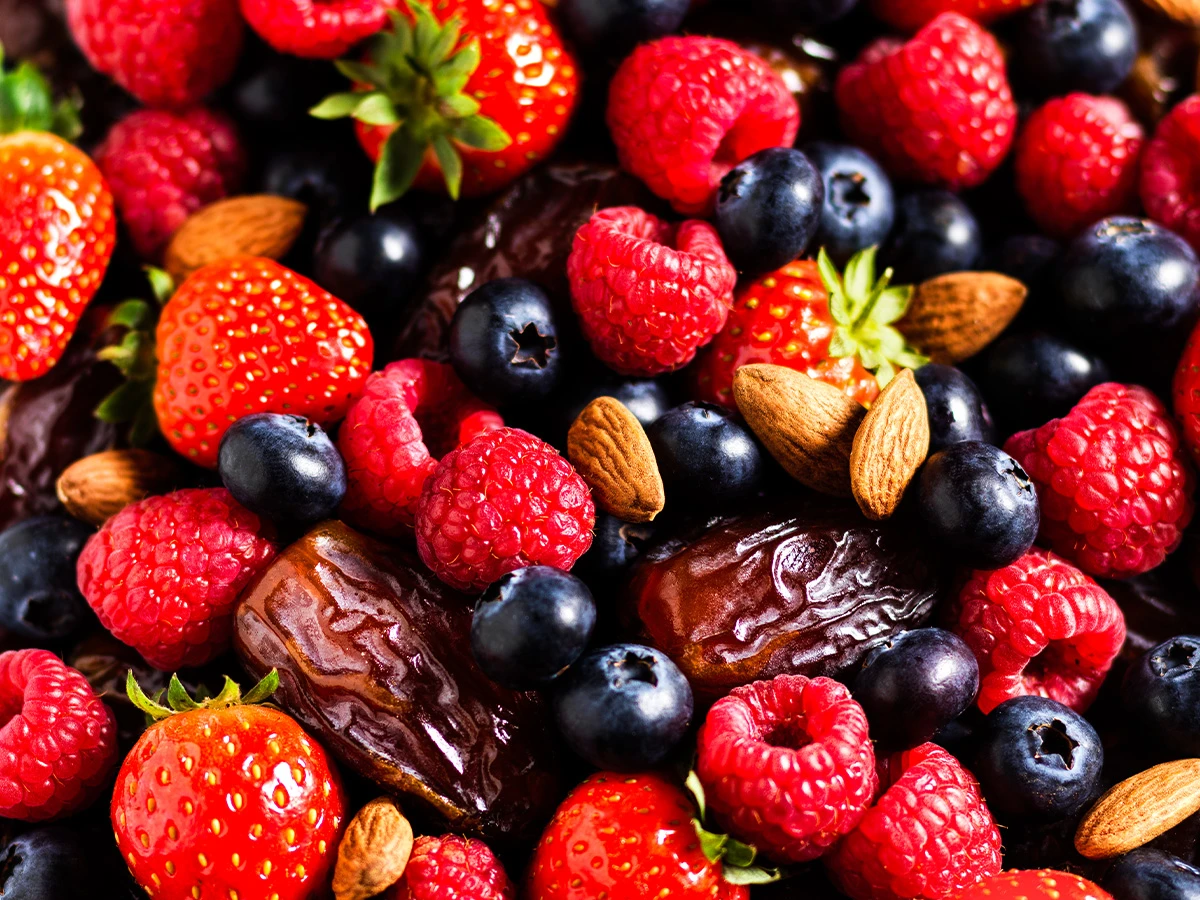
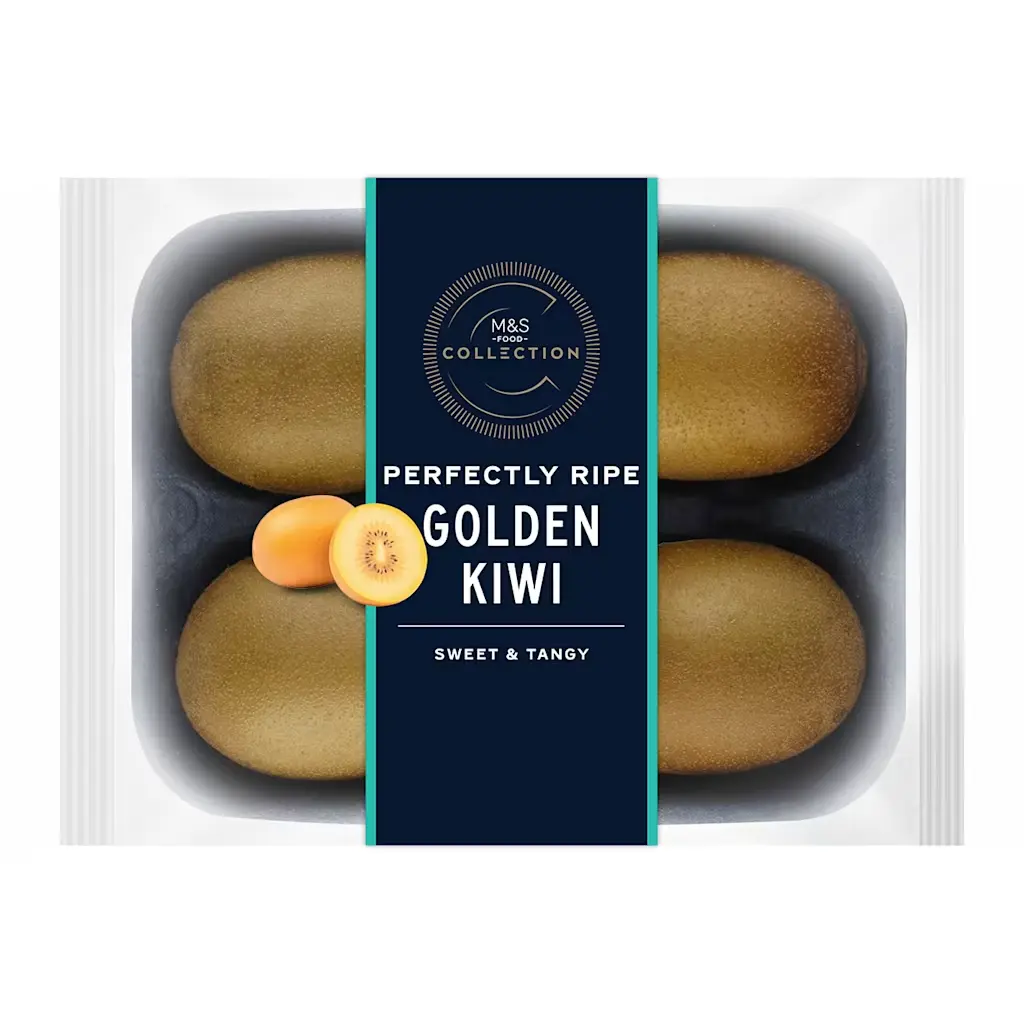
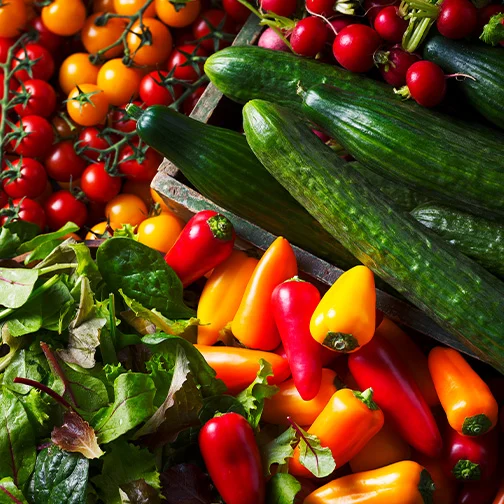
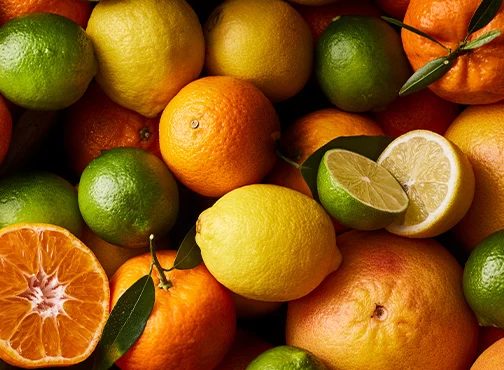
Fruit and veg are the foundation of a healthy diet, as plants contain fibre and other healthy nutrients. Five-a-day may be advice we're familiar with, but less than a third of people reach their daily target. Simply increasing the amount of plants you eat is a great start, but the variety is important, too. Increasing the number of different plants you eat can support the diversity of bacteria present in your gut microbiome.
Eat seasonally – Check out our great-value, Fresh Market Specials every week in the Foodhall, which change regularly and celebrate what's at its best right now.
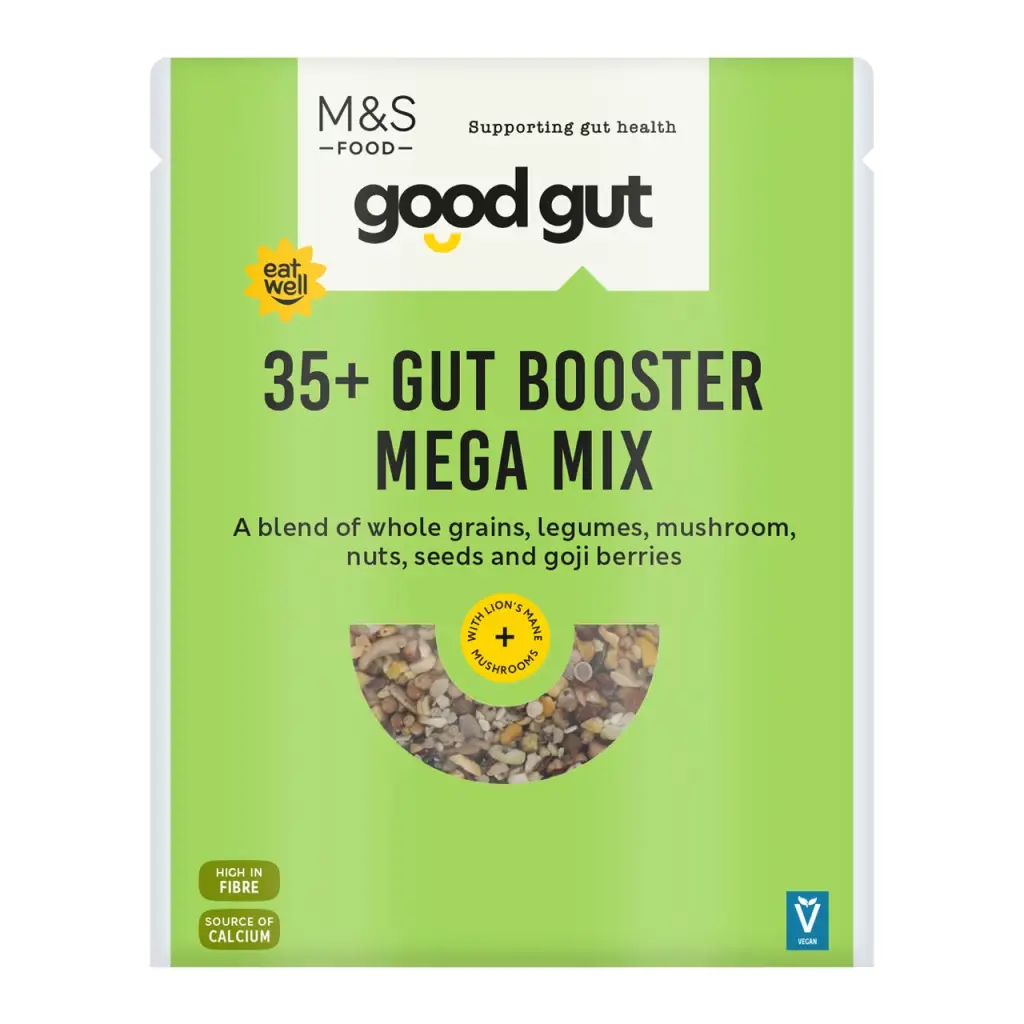
More variety – Aim to eat 30 varieties of plants every week. Up your plant intake with a sprinkle of our 35+ Gut Booster Mega Mix, made with seeds, pine kernels, goji berries, legumes, nuts, grains, and dried lion’s mane mushroom.
Why does gut health matter?
"Our gut microbiome – the balance of good and bad bacteria in our digestive system – impacts our overall health in so many ways, including our mood, metabolism and immune system,” explains M&S Senior Nutritionist Sophia Thistlethwaite.
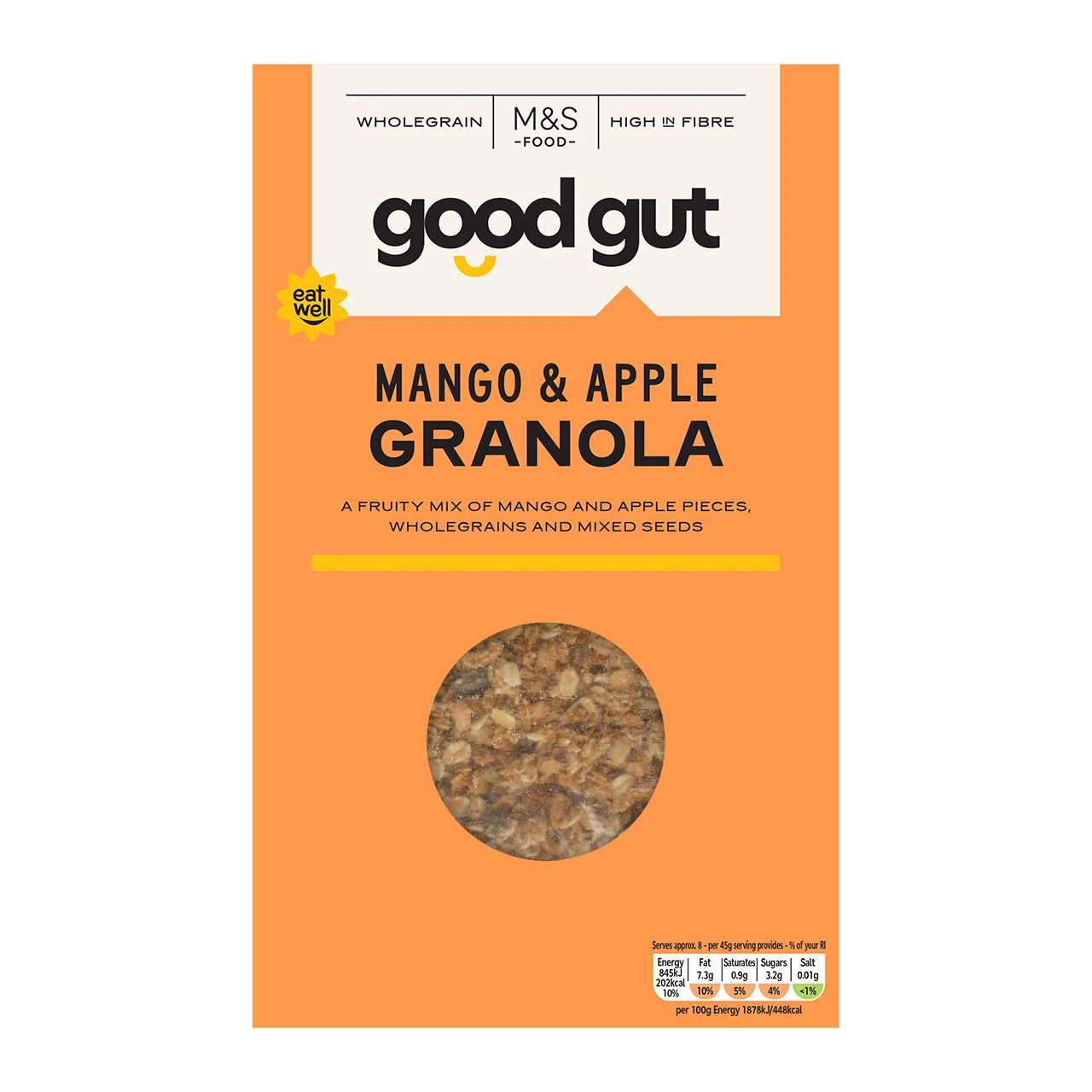
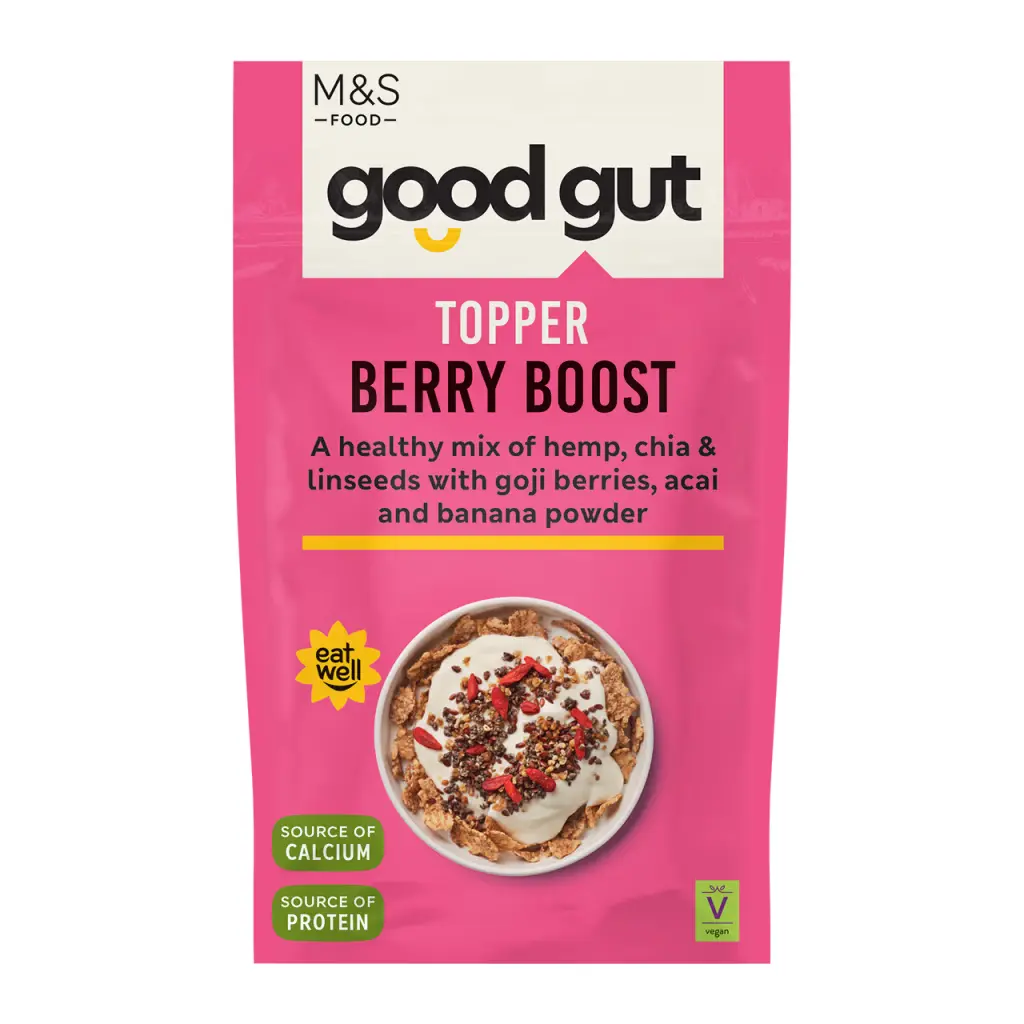
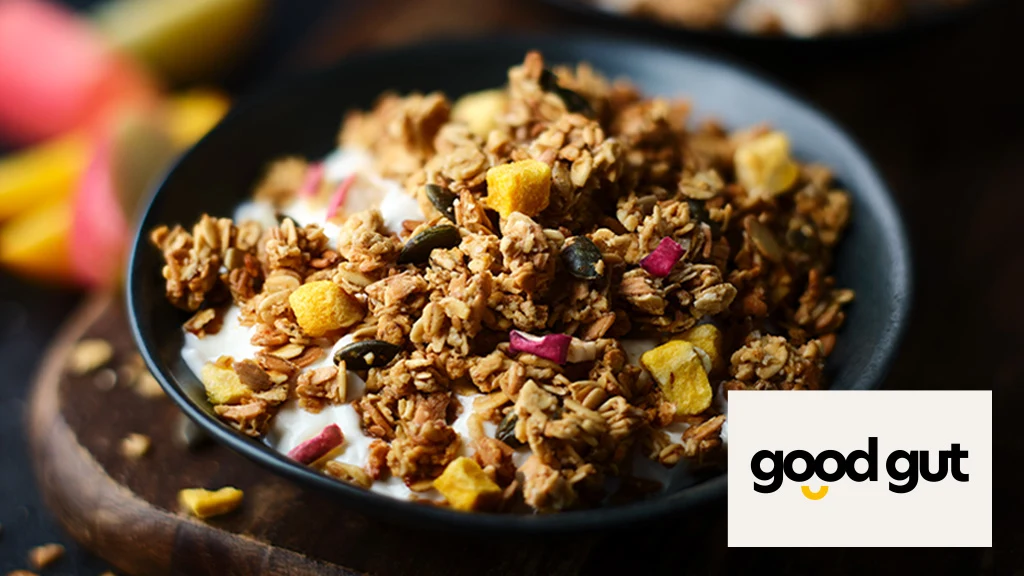
Our Good Gut range includes lots of different ingredients to support your gut health, and plenty of plant foods such as oats, barley, golden linseeds, pumpkin, hemp seeds and fermented kefir. From drinks and yogurts to cereals and toppers, it's full of easy, gut-friendly choices.
Plus, this year we've added our exclusive TriMarks™ blend of three ingredients to help you thrive on the inside: fibre, live cultures and Plenbiotic™. Find it in our new Good Gut flavoured kefir yogurts, drinks and shots.

Published 01/01/2025