Fruit & Veg

Bringing you the best fruits, salads and vegetables

We began selling produce over 40 years ago with whole fruits and vegetables such as Canary tomatoes, avocados, and English apples, carrots and lettuce. From those beginnings we've always relied upon strong and close working relationships with our growers - indeed back in the 1970s we persuaded small growers of strawberries to drive their crop straight to their local Marks & Spencer stores. 

Potatoes

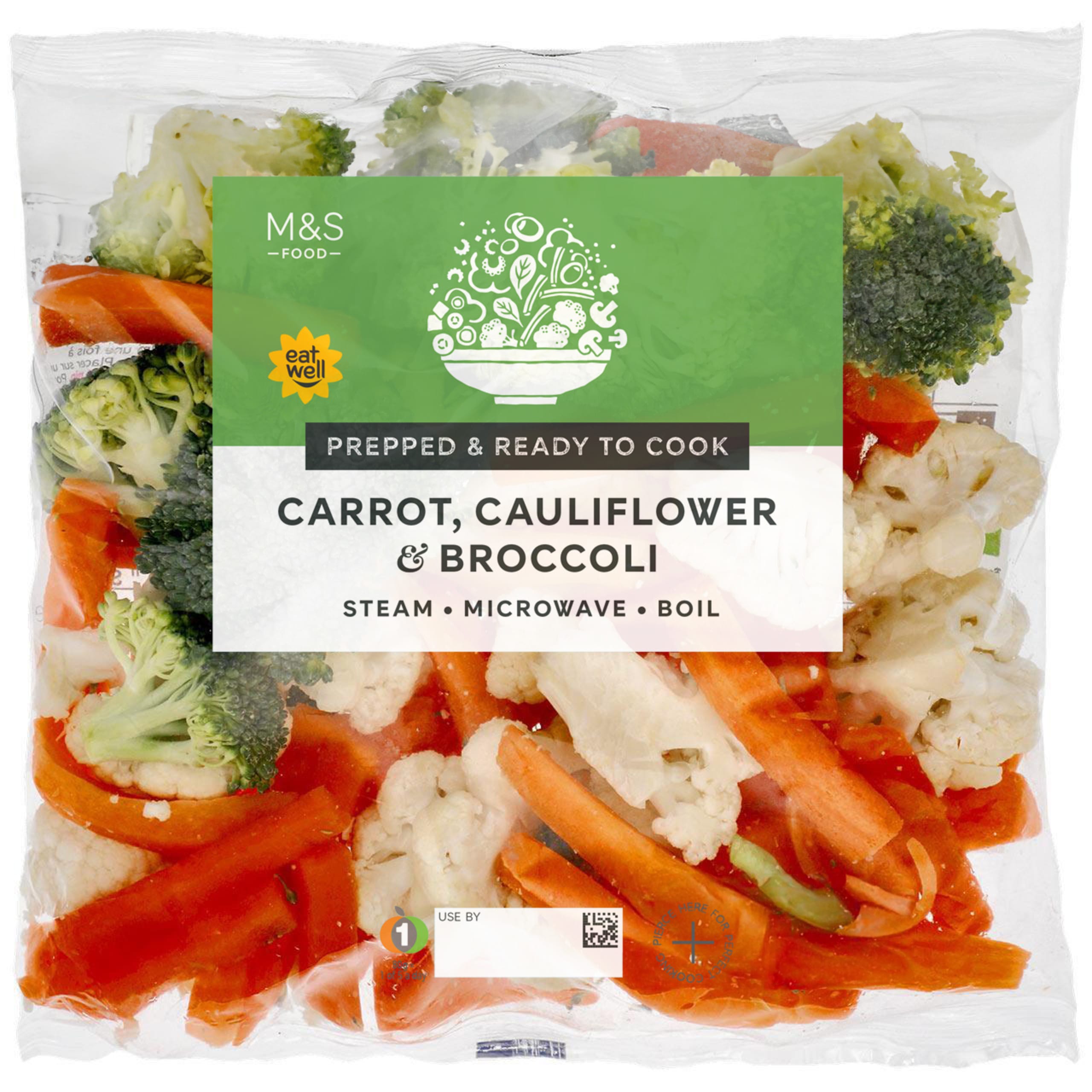
We have come a long way since then, procuring year round supplies from well over 1200 preferred growers around the world, to sell over 400 different varieties, as well as over 500 lines of pre-prepared fruits, salads and vegetables for our customers' convenience.

These days we go to great lengths to find the perfect tastes for our customers - to use strawberries as an example again, we spent three years growing, testing and tasting (it's not all hard work, you know!) 13,000 different home-grown varieties before launching our Jubilee strawberry in summer 2003.
While we aim to provide fantastic tasting produce all year round, we take advice from our growers around the country to let you know when certain crops are at their absolute best in terms of their natural and traditional season - which we label Best of Season.
As our business has grown and developed, so has the industry and our customers' needs and concerns. So we work closely with all our fresh produce growers, helping them follow our comprehensive Field to Fork code of practice for how they deal with the environment, food safety and packing their produce, as well as use of pesticides and organic production.

Organic

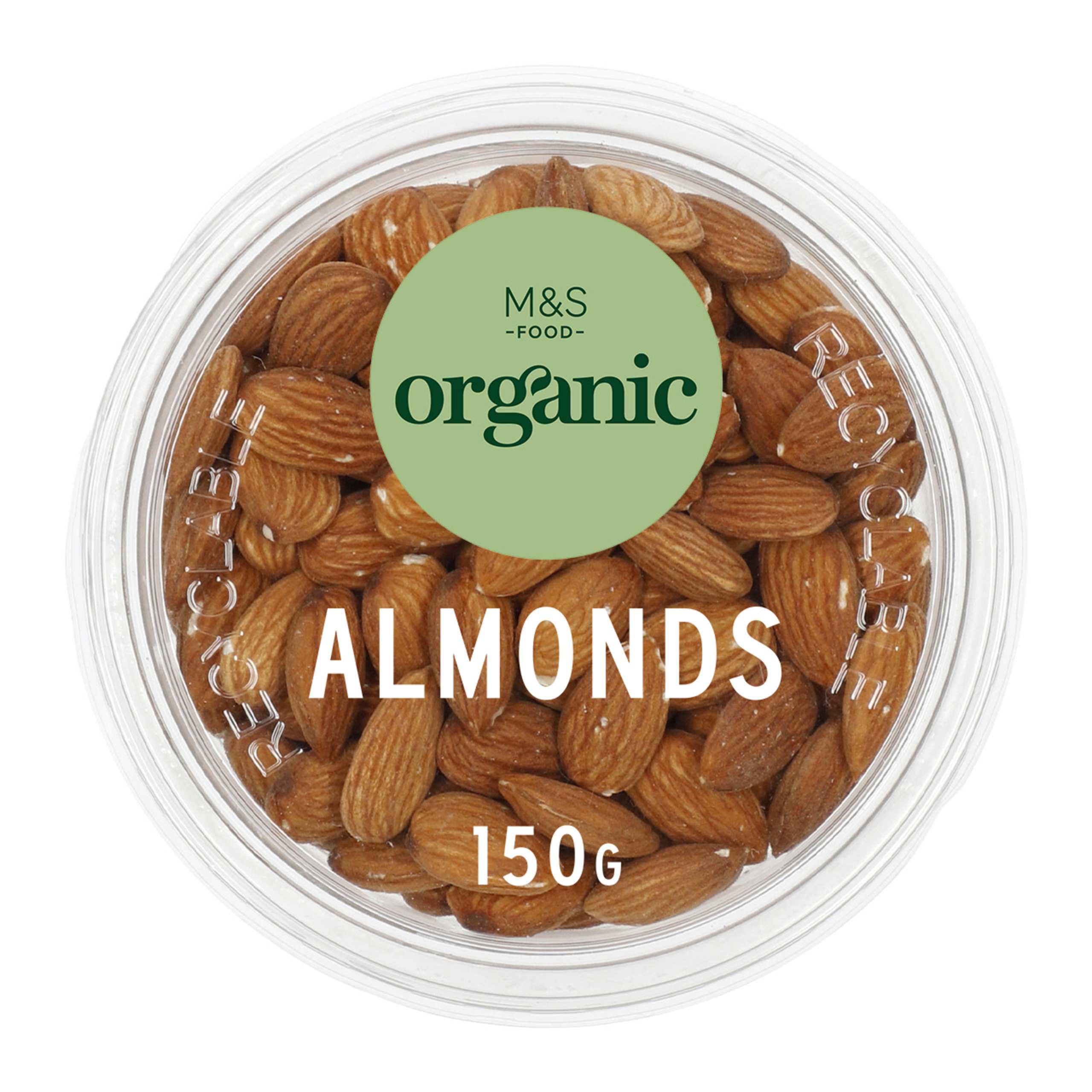
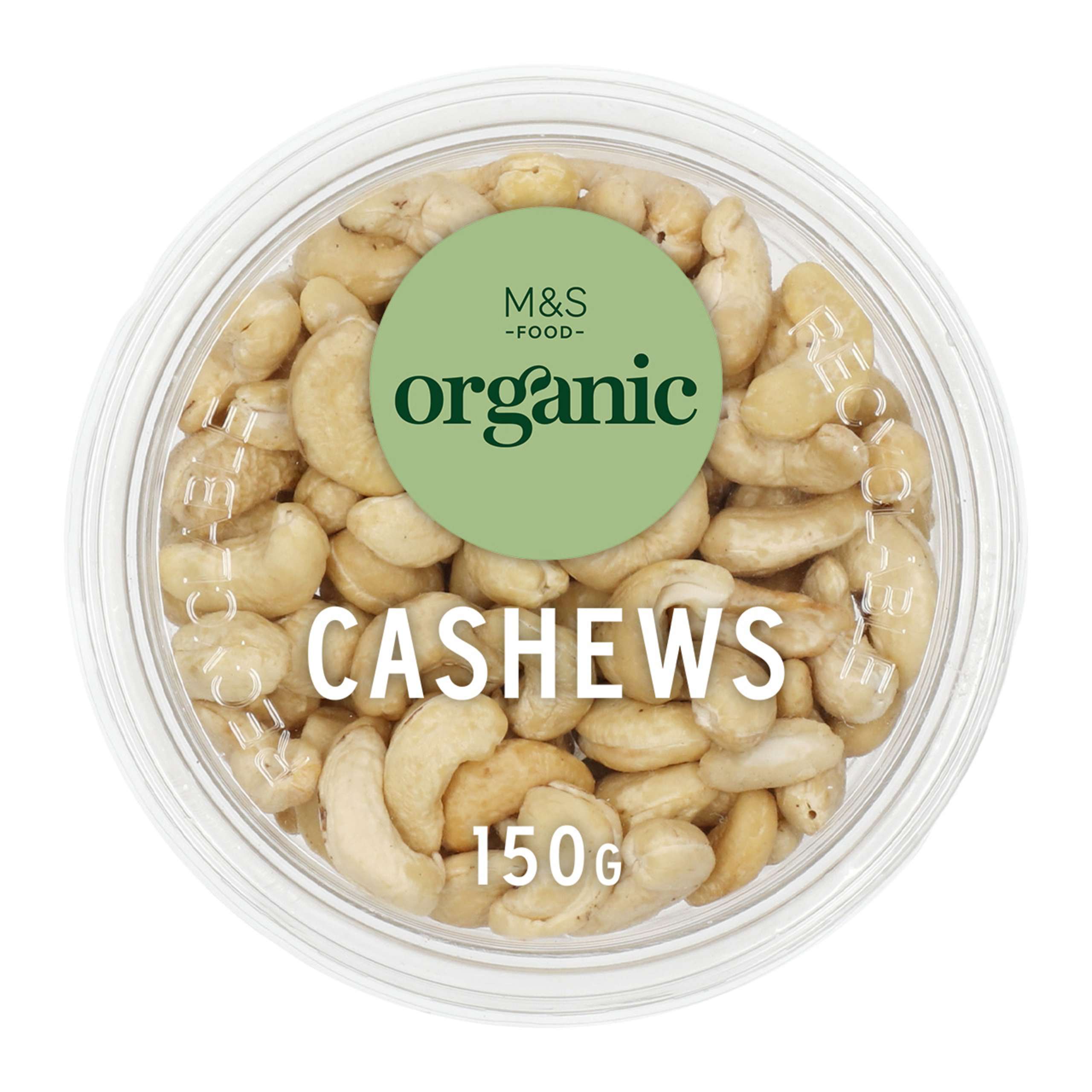
Not just organic - Marks & Spencer organic

Customers choose organic foods for all sorts of reasons - concerns about the environment, effects on wildlife or animal welfare, worries about genetically modified plants, or because they believe organic foods to be healthier or tastier. Of course these are issues that we take a great deal of care about in all the foods we offer, whether they are organic or not.
 
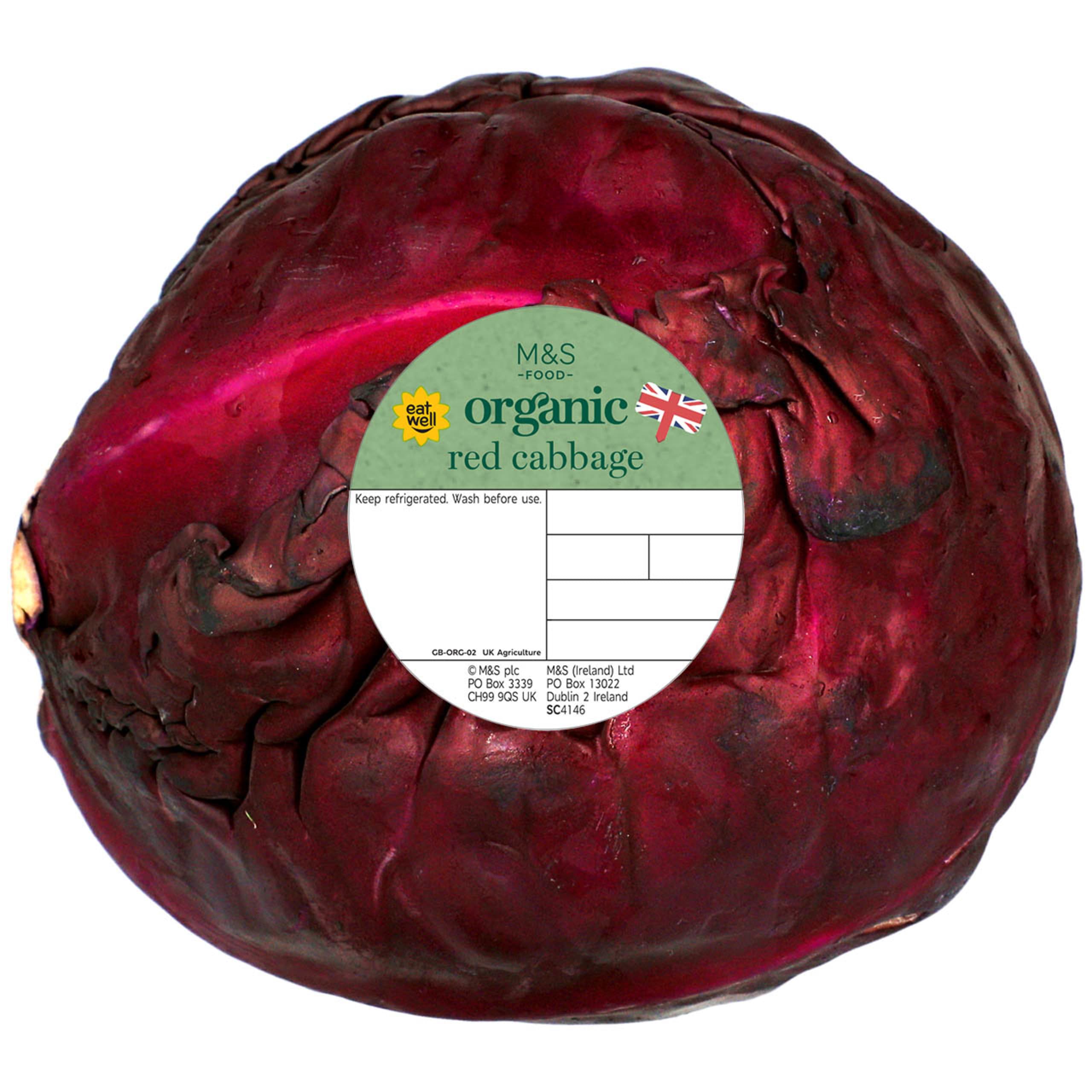
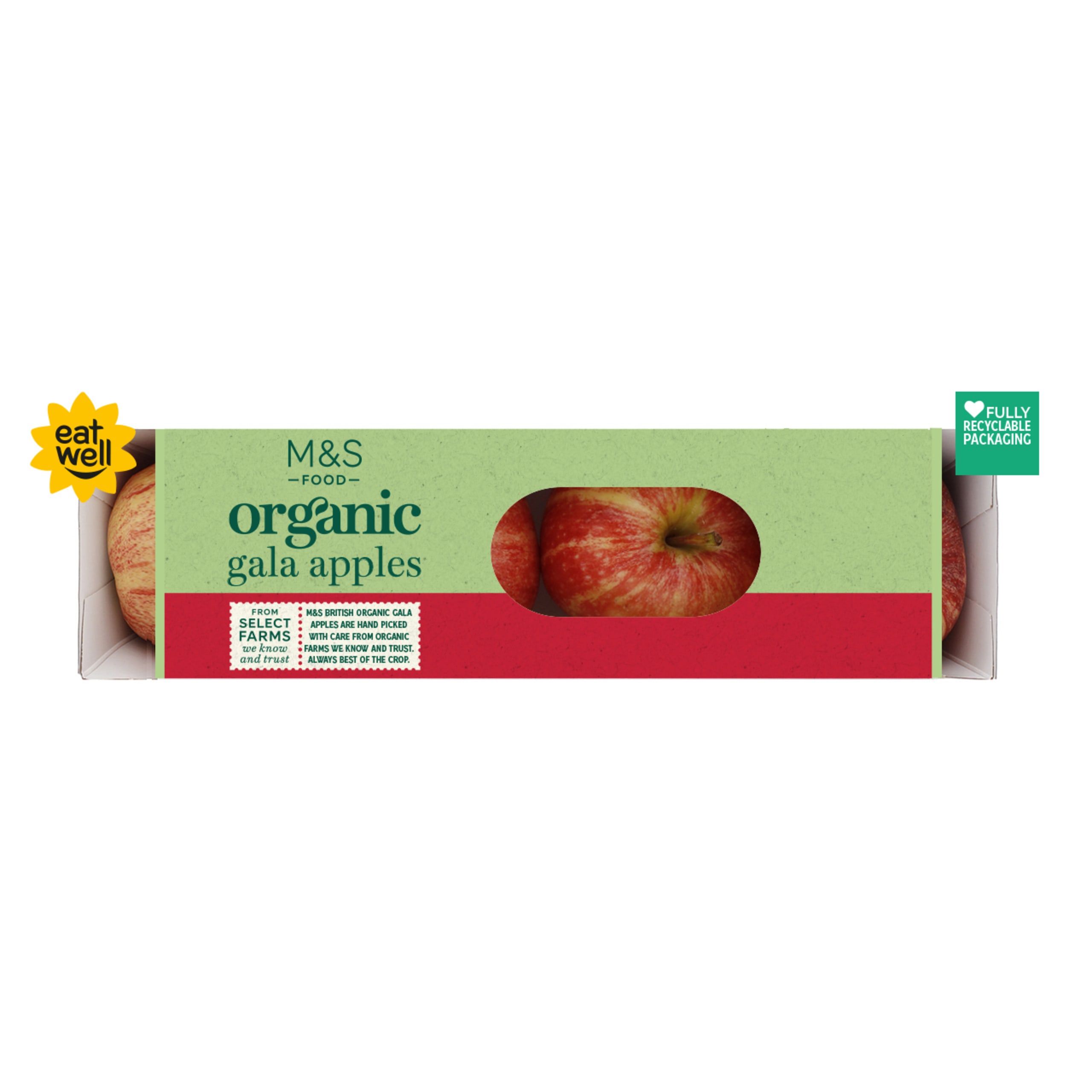
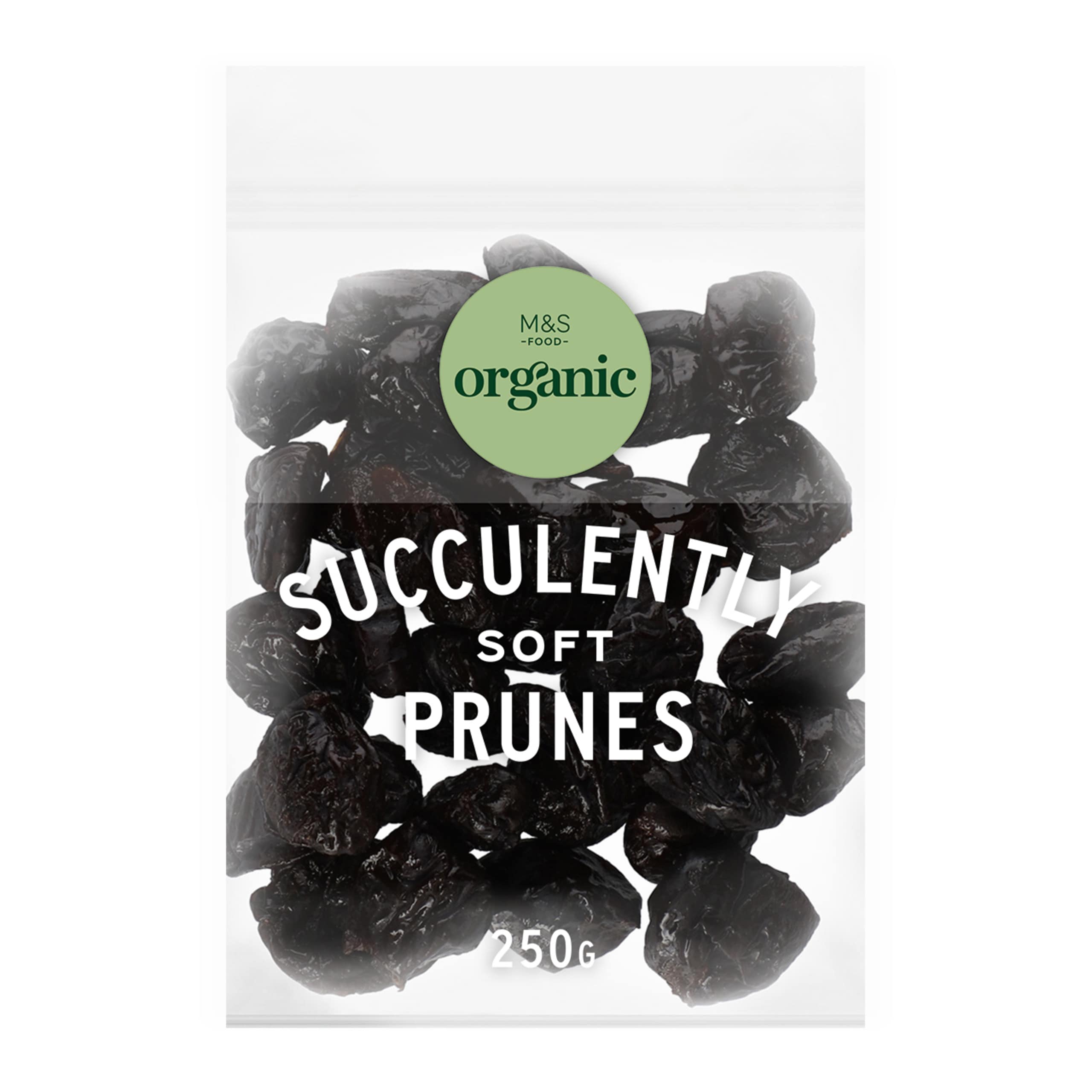
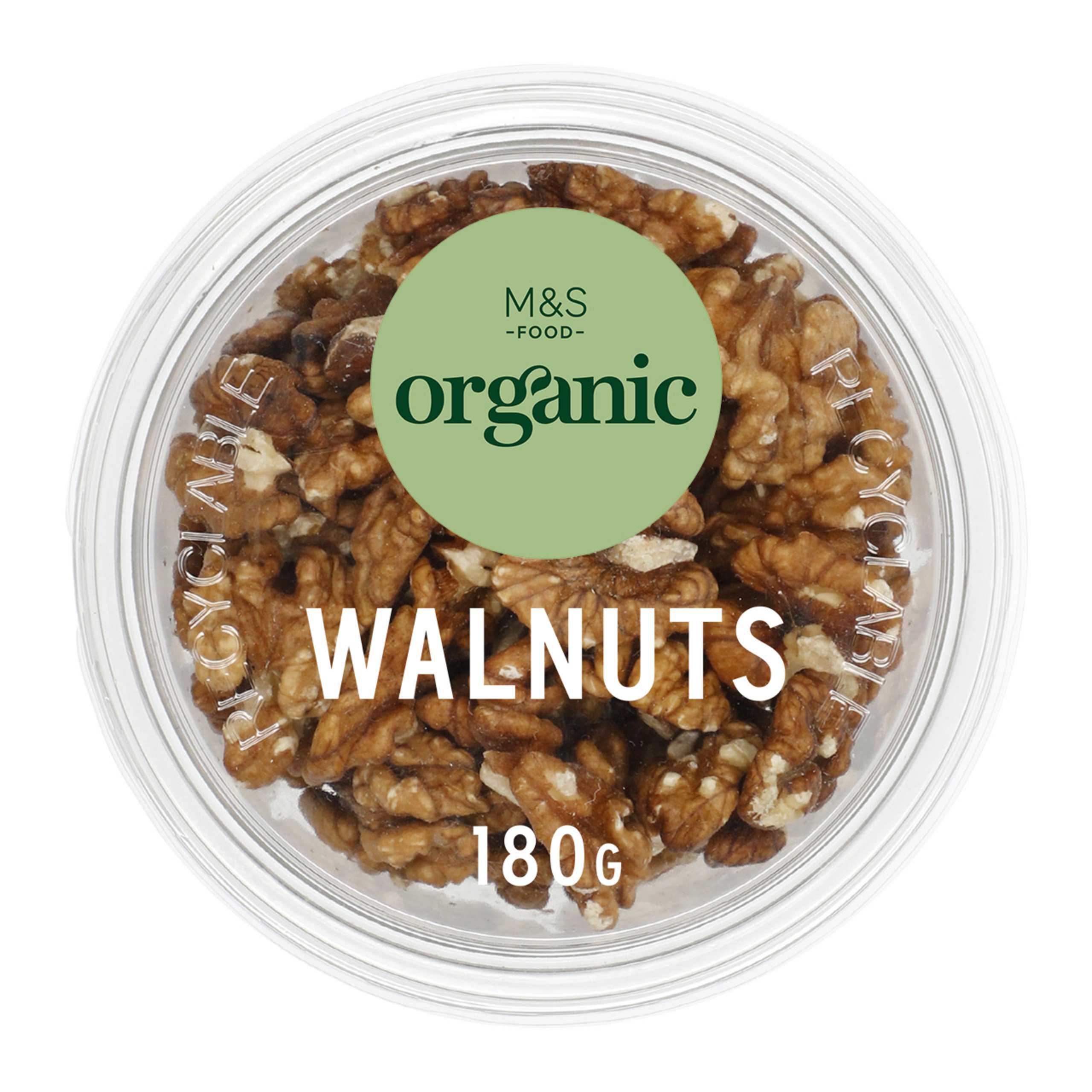
But we like to go the extra mile - so we're pleased to say our organic range meets higher food standards and organic checks than required by law, or used by other retailers. This way, our customers can make their own choices, for the reasons important to them. These values make our organic fruit, salads and vegetables extremely popular, in fact, they are our best-selling organic products.
Strict regulations mean our growers have to farm any land organically for two years before any of the crops grown can be sold as organic. For instance our tomato growers in Lancashire set aside greenhouse space for two years in order to grow organic tomatoes for us, which is a real sign of their dedication to organic farming.

Once up and running, as they are unable to use certain fertilisers, growers must pay careful attention to crop rotation. This means alternating the crops they grow in their fields to ensure the soil retains its fertility and provides the required nutrients. We work very closely with our organic growers on this, and between us we take great care to select the best varieties to use for organic production, and to grow in the best seasons for each organic variety.

Pesticides

Leading the way on pesticides

At Marks & Spencer we try to limit the amount of pesticides we use, while maintaining a high quality of fresh produce. Pesticides are chemicals, man-made or naturally occurring, used to destroy pests and diseases that damage our crops. Without them, we risk losing 30-40% of our food supply.
 
Most pesticides are generally safe. If you eat food which still contains tiny particles of pesticide residue, the possible risks to your health are minimal, and current controls on the residue of pesticides left on food are rigorous. In fact, the health risks of not eating fresh fruit and vegetables are far greater.
We carry out regular pesticide tests and if there's more than the recommended level we will not sell the crop. Our growers and suppliers, the government, and independent laboratories also check pesticide residue levels.

It’s important to remember we test our food for pesticide residues using highly accurate measurements - the equivalent of finding a grain of salt in a swimming pool. So any traces we do find are usually very small. We have set a long term goal to eliminate all pesticide residues from fruit, vegetables and salads as well as prohibiting the use of potentially harmful pesticide chemicals.

Plus, we’re promoting the use of Integrated Crop Management, which combines modern technology with traditional methods. In this way, we’re encouraging farmers to control pests without pesticides, monitor crops regularly so they don’t use pesticides until necessary, and only use pesticides if all other methods don’t work.

At the end of 2002 Friends of the Earth rated our actions on pesticides ahead of all other UK food retailers. We publish our progress on pesticides and how we use them, and you can find this detailed information by clicking here.